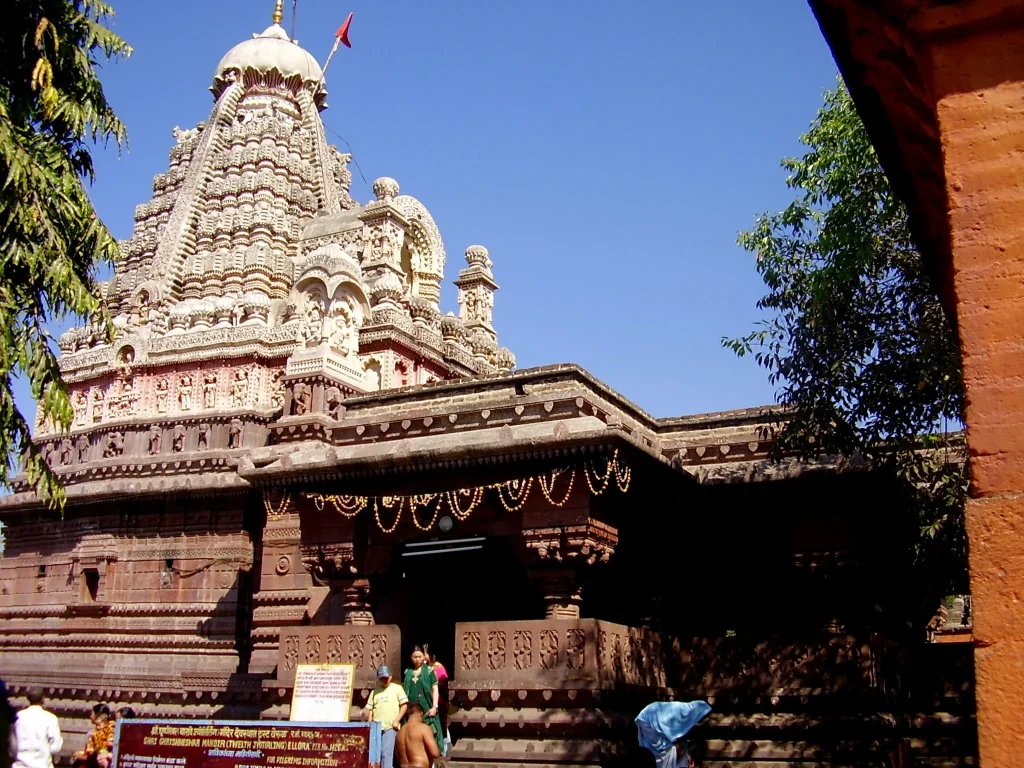
Ghrishneshwar Jyotirlinga
Ghrishneshwar stands at Verul near the Ellora caves and is traditionally revered as the twelfth and concluding Jyotirlinga. Its story is of Ghushma, whose patient worship and forgiveness brought Śiva to remain in her name.

Ghrishneshwar stands at Verul near the Ellora caves and is traditionally revered as the twelfth and concluding Jyotirlinga. Its story is of Ghushma, whose patient worship and forgiveness brought Śiva to remain in her name.
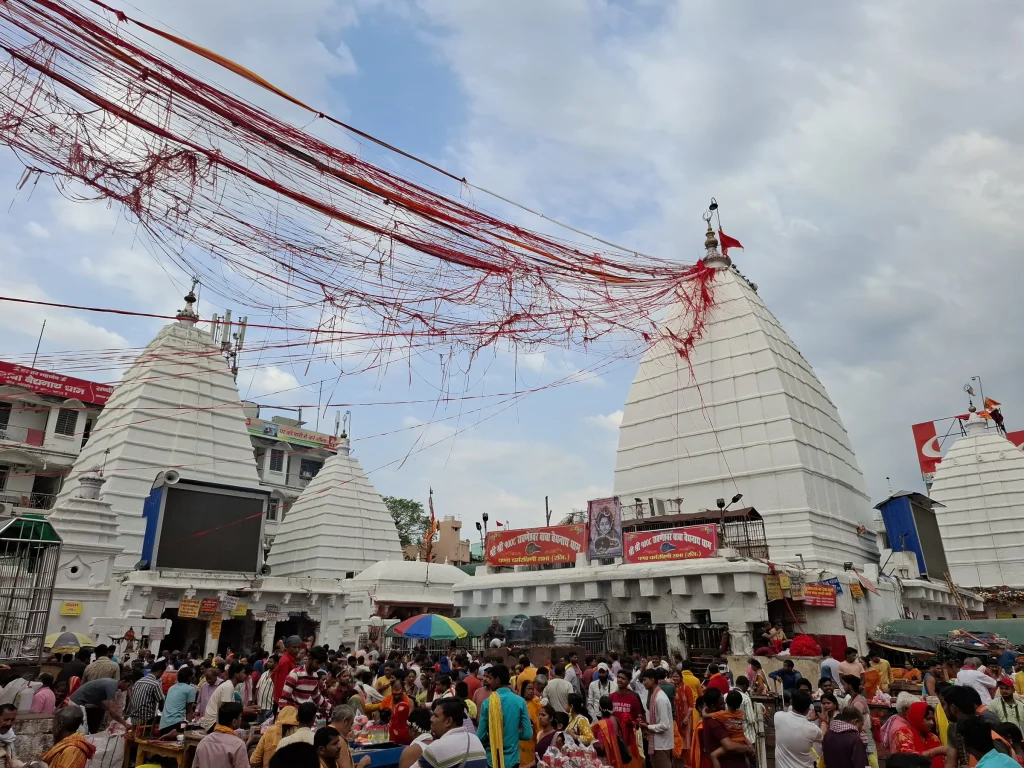
At Deoghar in Jharkhand, Śiva is worshipped as Vaidyanatha, the divine physician who heals not only the body but the deeper afflictions of the spirit. The shrine is also revered as a Shakti Peetha, a meeting of Śaiva and Śākta traditions.
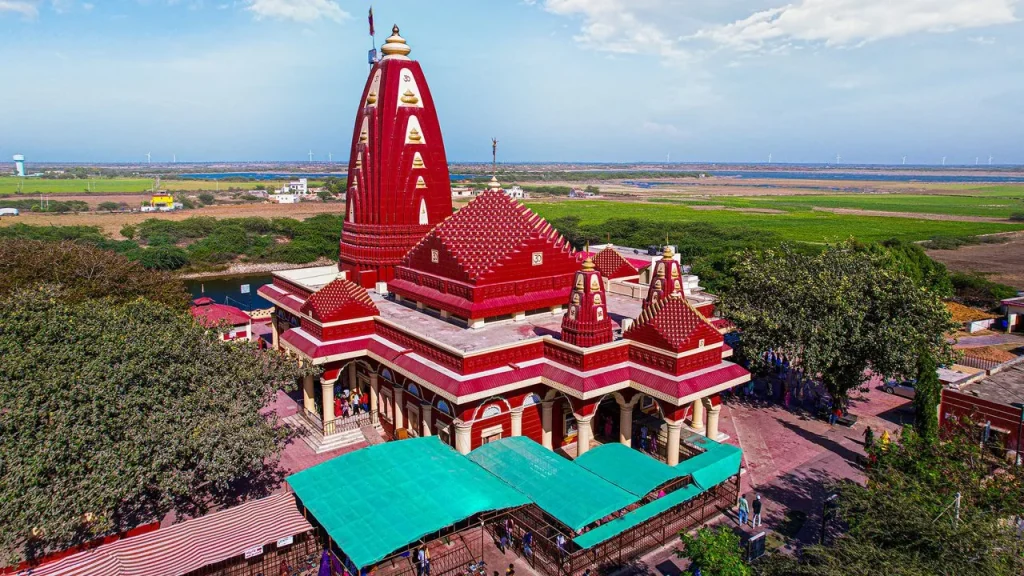
Near the sacred city of Dwarka, Nageshwar honours Śiva as the Lord of the Serpents. The shrine’s story is one of protection: Śiva comes to the aid of a devotee who stays steadfast when surrounded by fear.
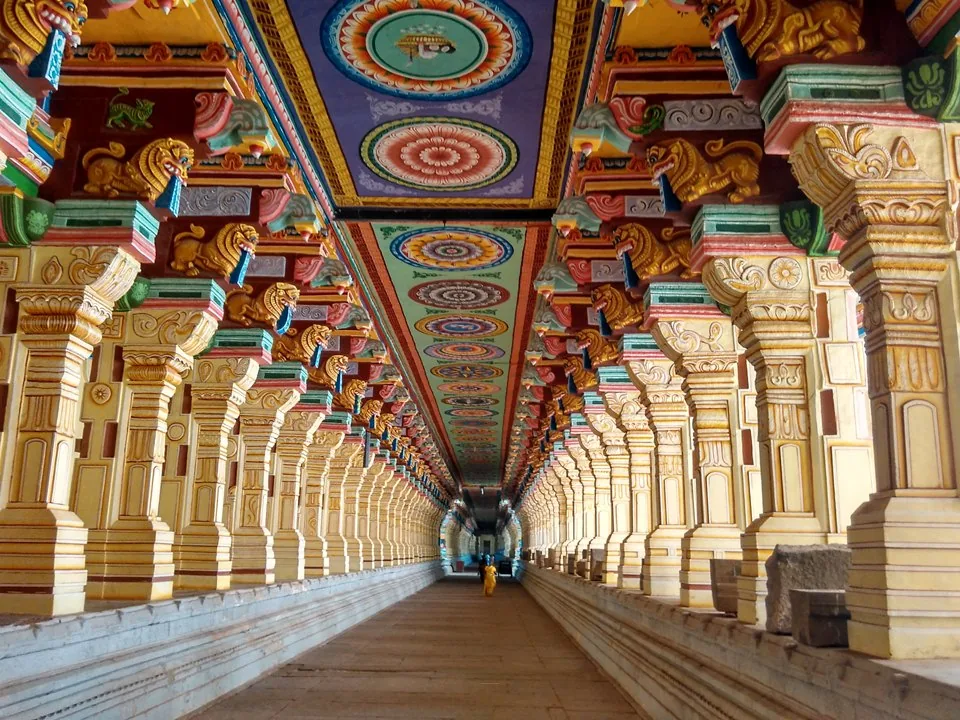
On Pamban Island in Tamil Nadu, the Sri Ramanathaswamy Temple honours Śiva as the Lord of Rama, who worshipped Him here after the battle of Lanka. The temple is famed for its long pillared corridors and its sacred teerthams.
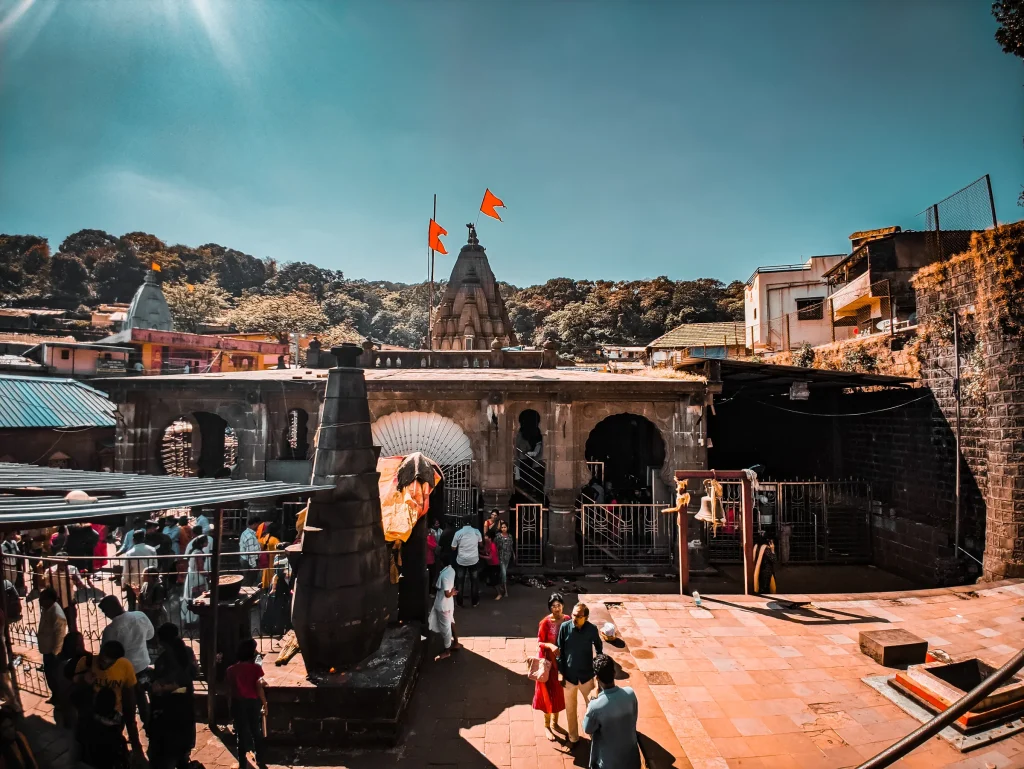
Bhimashankar stands in the forests of the Sahyadri at the source of the Bhima River. The shrine joins the Purāṇic story of Śiva’s victory over the demon Bhimasura with Maratha-period patronage and a living forest landscape.
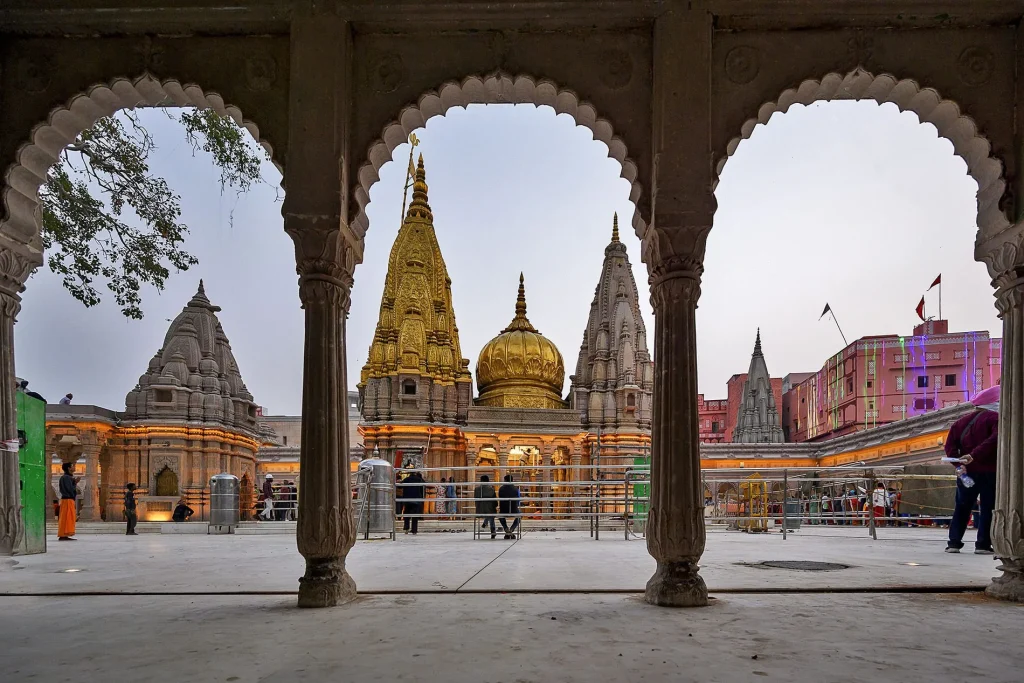
Near the western bank of the Ganga, in the old lanes of Varanasi, Śiva is worshipped as Vishwanath, the Lord of the Universe. Kashi is the city of liberation, where impermanence faced without evasion becomes a doorway to freedom.
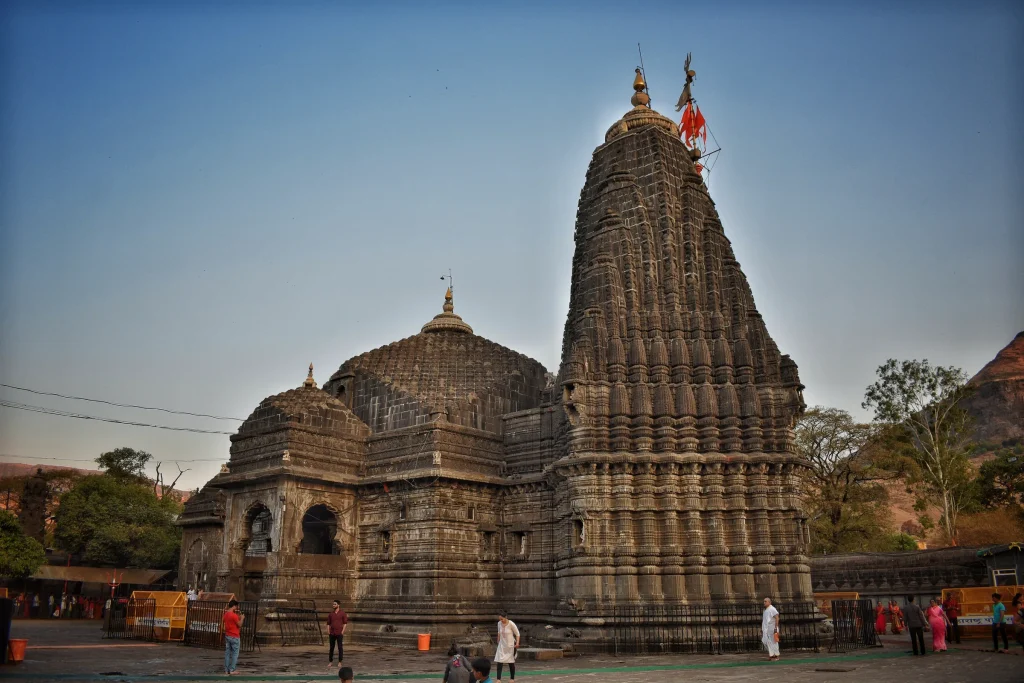
Trimbakeshwar rests at the foot of Brahmagiri, where the Godavari begins its journey. Remembered through the compassion of the sage Gautama, the shrine is known for its sanctum in which three small lingas rest below the surrounding surface.
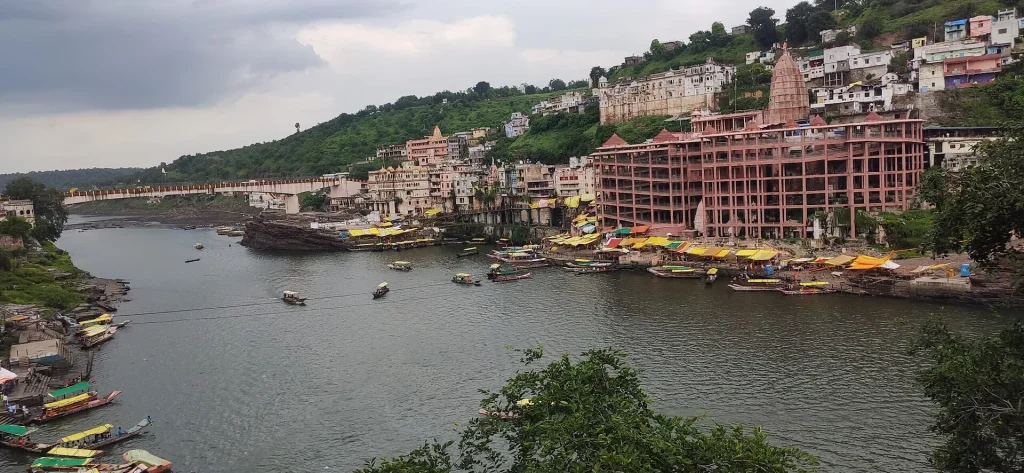
On the island of Mandhata in the Narmada, Omkareshwar faces Mamleshwar across the river, and the two shrines are worshipped as one Jyotirlinga. The island itself is contemplated as the sacred syllable Om.
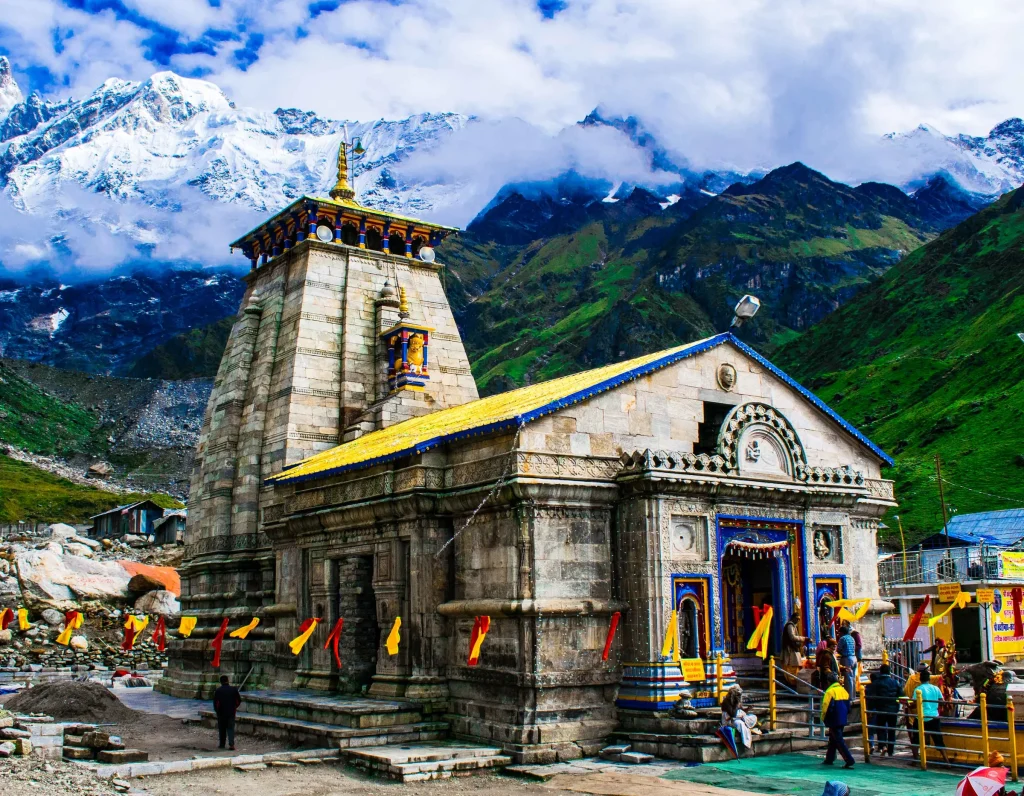
Kedarnath stands at about 3,580 metres in the upper Mandakini valley, the highest of the twelve Jyotirlingas. Here the climb, the snow and the silence become part of the worship, and the pilgrimage itself turns into austerity.
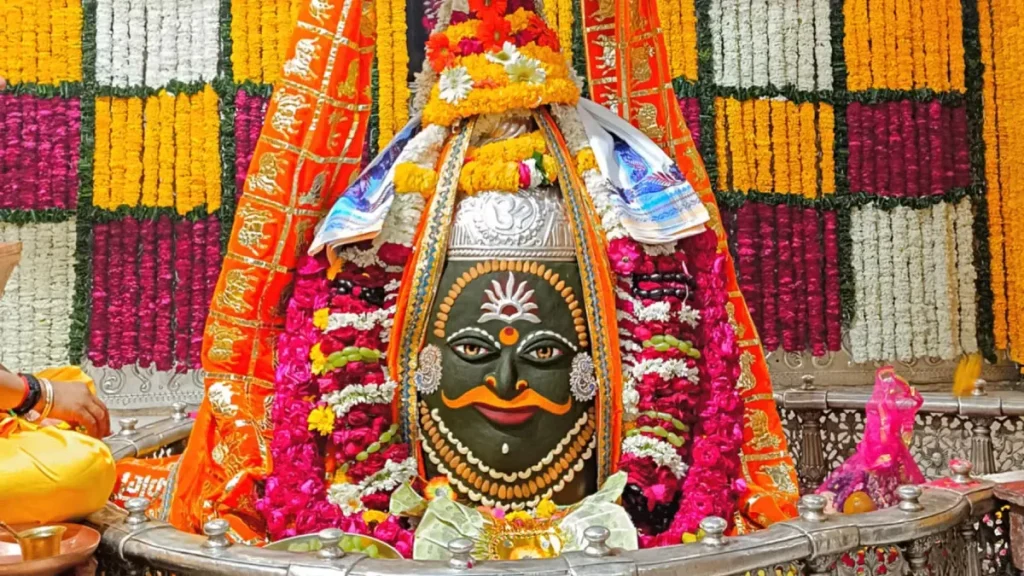
On the banks of the Shipra in Ujjain, ancient Avantika, Śiva is worshipped as Mahākāla, the Lord of Time who stands beyond creation and dissolution. The self-manifested Jyotirlinga faces south and is honoured each dawn in the Bhasma Aarti.