Chidambaram Nataraja Temple
Chidambaram, also known as Thillai, is revered by Śaivas simply as “the Temple”. Here Śiva is worshipped as Nataraja, the Lord of the cosmic dance, in the golden hall of the Chitrambalam.

Chidambaram, also known as Thillai, is revered by Śaivas simply as “the Temple”. Here Śiva is worshipped as Nataraja, the Lord of the cosmic dance, in the golden hall of the Chitrambalam.
In the small village of Panangudi near the Sittanavasal caves, the Agastyesvara Temple is a compact Shiva shrine of the ninth century, protected by the Archaeological Survey of India.
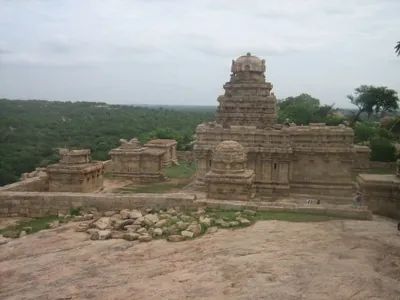
Narthamalai, a cluster of nine hills in Pudukkottai district, holds rock-cut cave temples and the celebrated Vijayalaya Choleeshvaram, one of the earliest stone temples of the Chola period.
Kodumbalur, an ancient village in Pudukkottai district, was the seat of the Irukkuvel chiefs. Its Moovar Koil, Aivar Koil and Muchukundesvara temples preserve some of the most accomplished early Chola-period architecture and sculpture.
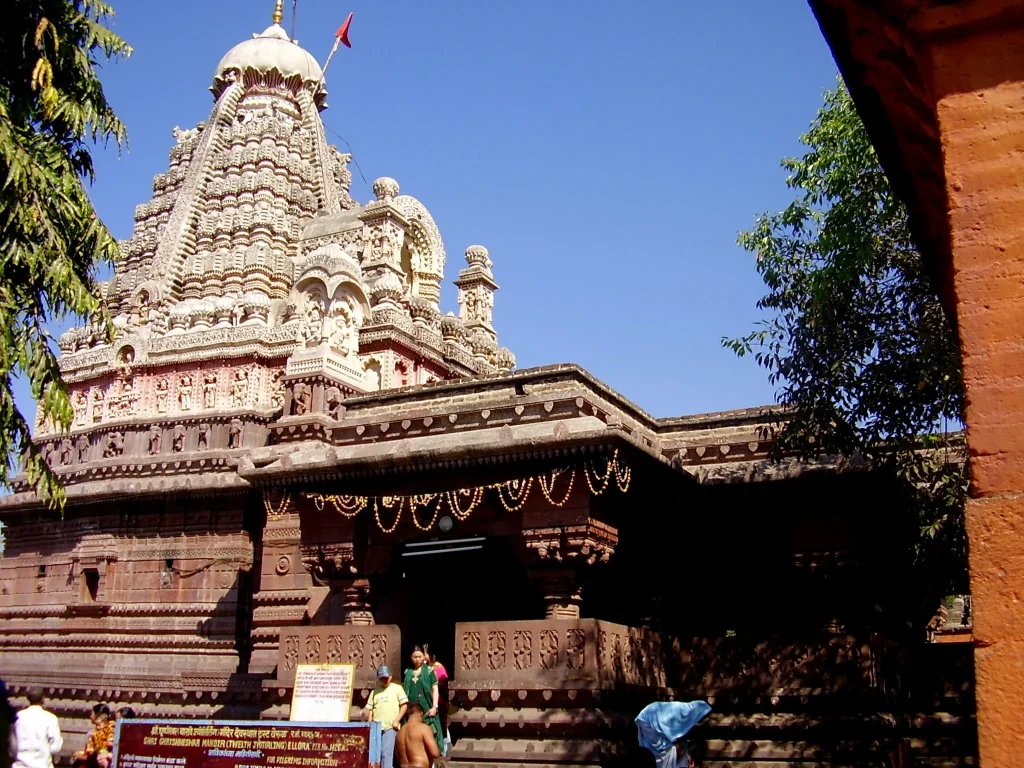
Ghrishneshwar stands at Verul near the Ellora caves and is traditionally revered as the twelfth and concluding Jyotirlinga. Its story is of Ghushma, whose patient worship and forgiveness brought Śiva to remain in her name.
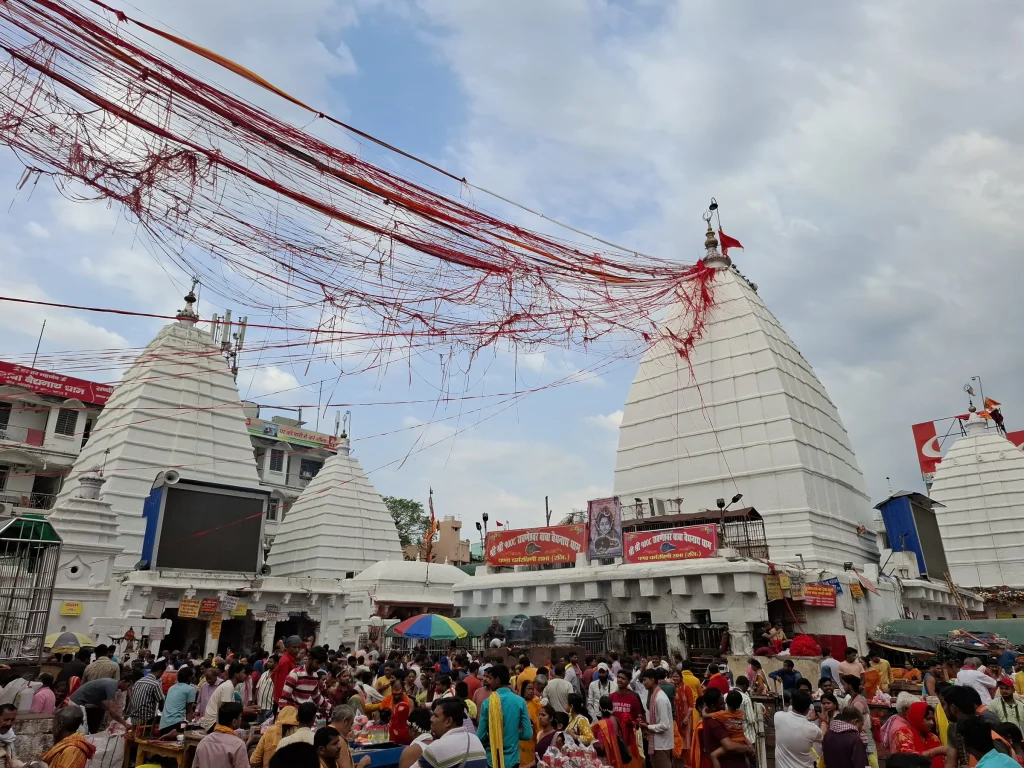
At Deoghar in Jharkhand, Śiva is worshipped as Vaidyanatha, the divine physician who heals not only the body but the deeper afflictions of the spirit. The shrine is also revered as a Shakti Peetha, a meeting of Śaiva and Śākta traditions.
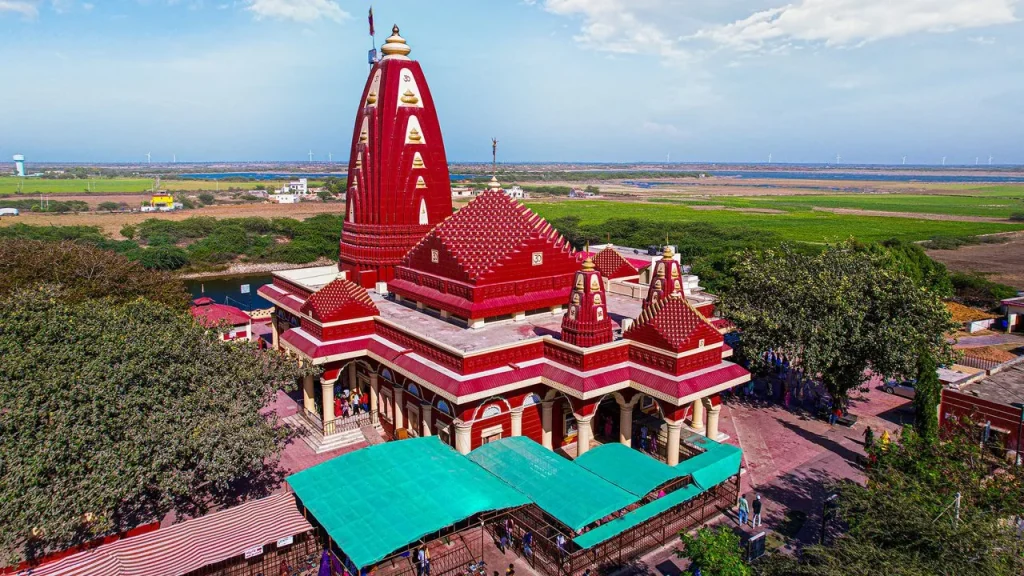
Near the sacred city of Dwarka, Nageshwar honours Śiva as the Lord of the Serpents. The shrine’s story is one of protection: Śiva comes to the aid of a devotee who stays steadfast when surrounded by fear.
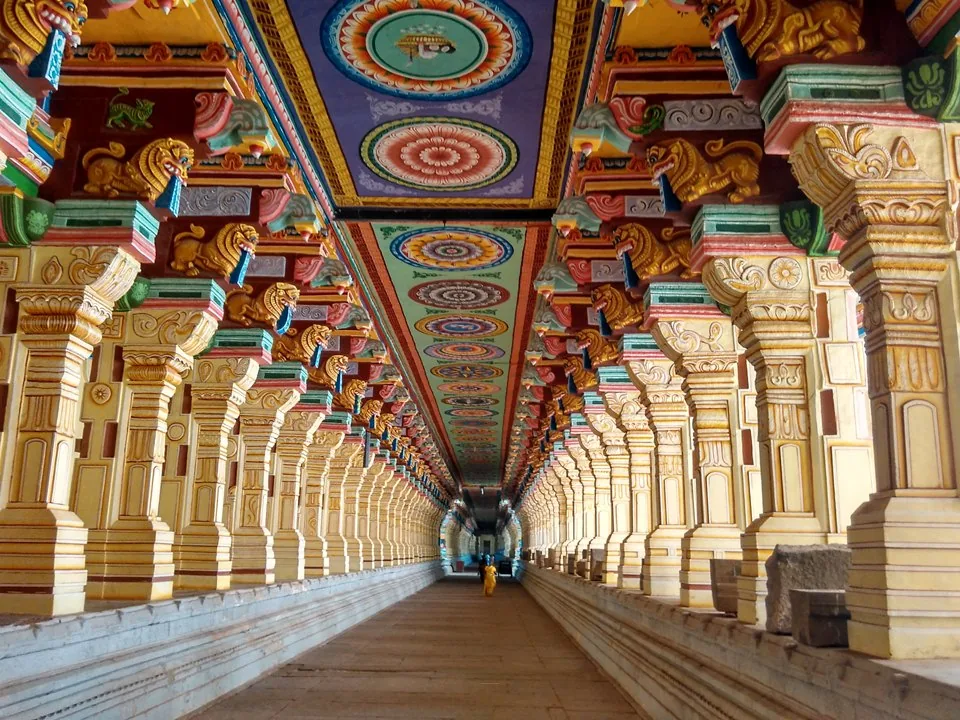
On Pamban Island in Tamil Nadu, the Sri Ramanathaswamy Temple honours Śiva as the Lord of Rama, who worshipped Him here after the battle of Lanka. The temple is famed for its long pillared corridors and its sacred teerthams.
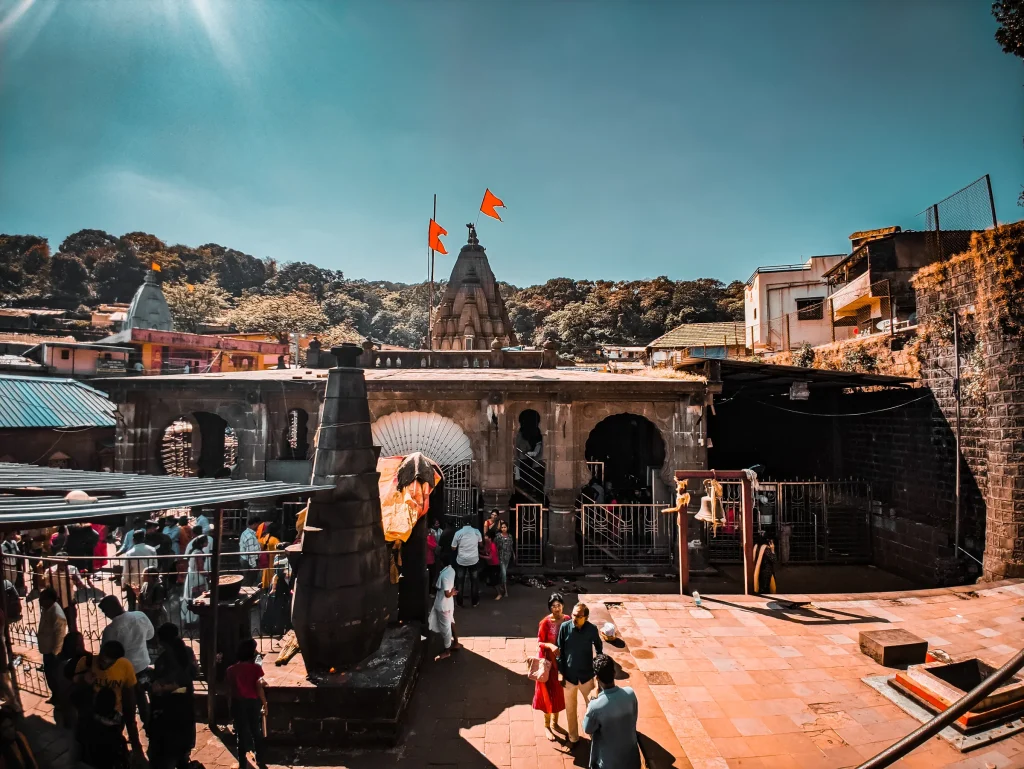
Bhimashankar stands in the forests of the Sahyadri at the source of the Bhima River. The shrine joins the Purāṇic story of Śiva’s victory over the demon Bhimasura with Maratha-period patronage and a living forest landscape.
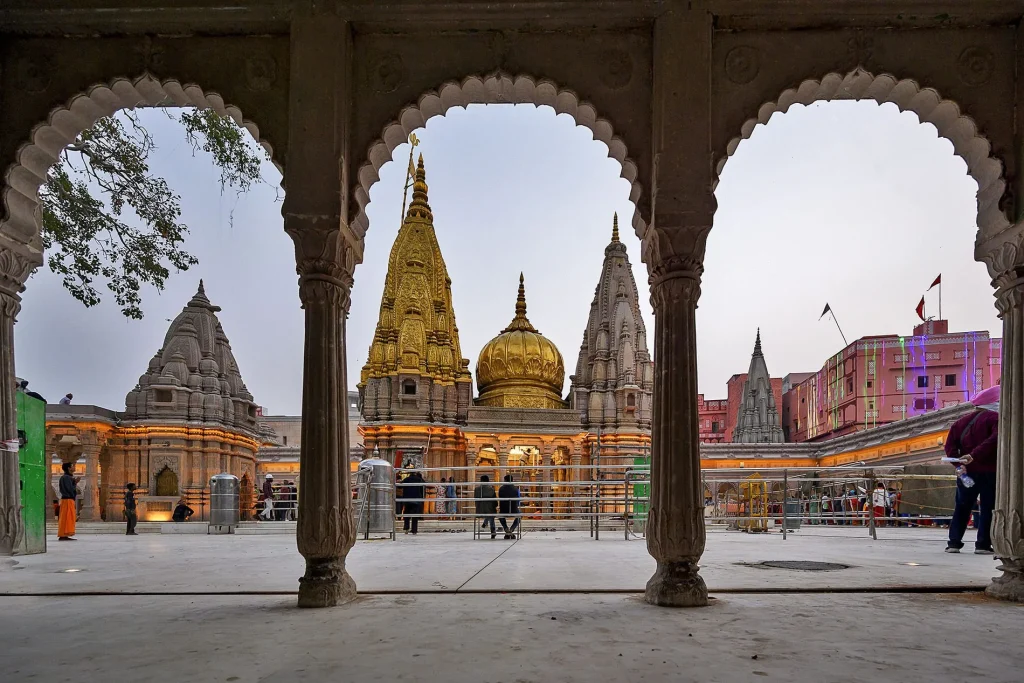
Near the western bank of the Ganga, in the old lanes of Varanasi, Śiva is worshipped as Vishwanath, the Lord of the Universe. Kashi is the city of liberation, where impermanence faced without evasion becomes a doorway to freedom.