


01 / INTRODUCTION
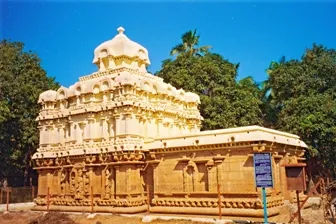
Chidambaram,
The Temple of the Cosmic Dance
The following is a structured English translation of the supplied Tamil text. Traditional accounts, religious beliefs, and inscriptional or historical statements are retained as presented in the original. Some technical terms and traditional names are transliterated to preserve their significance.
02 / NAMES OF THE DEITIES AND SACRED FEATURES
Names of the Deities and Sacred Features
Temple: Chidambaram, also known as Thillai.
Names of the presiding deity:
- Nataraja
- Ananda Nataraja — the Lord of the Blissful Dance
- Ambalakkoothar — the Lord who dances in the Hall
- Tiruchitrambalamudaiyar — the Lord of the Sacred Little Hall
- Ambalavanar — the Lord of the Hall
- Tirumoolattaneswarar
- Koothapiran — the Divine Lord of Dance
- Kanakasabhapati — the Lord of the Golden Hall
- Sabhanayakar — the Lord of the Assembly Hall
Names of the Goddess: Sivakami and Sivakamasundari.
Sacred trees: The banyan tree and the Thillai tree.
Sacred waters (Tīrthas): Sivaganga, Paramanandakūpam, Vyāghrapāda Tīrtham (Tiruppulīśvaram), Brahma Tīrtham, Ananta Tīrtham, and others.
Saints, sages, and devotees associated with the temple:
The temple has been worshipped by the four principal Saiva saints — Tirugnanasambandar, Appar, Sundarar, and Manikkavachakar — as well as Tirumalikaittevar, Paranadeva Nayanar, Kapiladeva Nayanar, Karuvur Devar, Cheraman Perumal Nayanar, Ayyadigal Kadavarkon Nayanar, Pundurutti Nambi Kadanambi, Gandaraditya, Venattadigal, Tiruvaliyamudanar, Purushottama Nambi, Sethirayar, Sendanar, Pattinathup Pillaiyar, Nambiandar Nambi, Sekkizhar, Vyaghrapada, Patanjali, Upamanyu, Vyasa, Tiruneelakanta, Tirumular, Tirunalaippovar, and Kanampulla Nayanar, among many others.
Chidambaram is also revered as a sacred place associated with the attainment of liberation (mukti) by numerous devotees and spiritual exemplars.
03 / STHALA PURāṇAM: THE SACRED HISTORY OF THE TEMPLE
Sthala Purāṇam: The Sacred History of the Temple
Why is it called “the Temple”?
In the Saiva tradition of Tamil Nadu, the word Koyil, meaning simply “the Temple,” commonly refers to the Nataraja Temple at Chidambaram. The ancient name of the town was Thillai, while Chidambaram was the name of the temple. Over time, the town came to be known by the name of its celebrated temple, and the older place-name gradually fell out of ordinary use.
The area was once a dense forest of Thillai trees and was therefore called Thillaivanam, meaning the forest of Thillai trees. Although these trees are no longer found in the town itself, they can still be seen along the brackish-water channels near Pichavaram, in the vicinity of Chidambaram.
The sacred place also came to be known as Perumpatrapuliyur, the place of the great, unwavering attachment to the Lord, because the sage Vyaghrapada, the Tiger-Footed Sage, worshipped Shiva with supreme devotion, holding the Lord as the ultimate refuge of all existence.
The name Tiruchitrambalam refers to the subtle, sacred hall in which the all-powerful Lord performs His divine dance. The term Chitrambalam is interpreted as the subtle expanse of spiritual consciousness.
Chidambaram is also understood as a Daharākāśa Kṣetra, a sacred centre associated with the space within the heart. The name is explained as Chit (consciousness) + Ambaram (expanse or space), signifying the vast expanse of consciousness.
The legend of Sage Vyaghrapada
Long ago, the sage Madhyandina instructed his son in the various branches of knowledge after the boy had completed his education. Having mastered the teachings imparted by his father, the young sage wished to visit a distinguished sacred place and worship the Supreme Lord.
Recognising his son’s spiritual aspiration, Madhyandina directed him to Thillai.
Following his father’s instructions, the young sage arrived at Thillaivanam. There he discovered a beautiful pond and, to its south, a Shiva Lingam beneath the shade of a banyan tree. Filled with joy, he established a hermitage nearby and began worshipping the Lingam.
Every day, he gathered fragrant flowers to offer to Shiva. One day, however, he noticed that some flowers were old or damaged. He was distressed that flowers gathered after sunrise had already been visited by bees, while gathering them at night was difficult because the dense forest obscured the paths and dew made the tree branches slippery.
At that moment, Lord Shiva appeared before him.
The sage bowed and prayed:
“O Lord, I wish to worship You with the freshest and most fragrant flowers. To gather them before dawn, I must climb trees without slipping. Grant me the strong claws of a tiger on my hands and feet. Let eyes also appear on my hands and feet, so that I may find my way through the forest and distinguish perfect flowers from those that have been damaged.”
The compassionate Lord granted his request and disappeared.
From that day onward, the sage became known as Vyaghrapada, meaning the Tiger-Footed Sage. Blessed with the ability to climb trees securely and identify flawless flowers, he continued his worship with great delight.
Because this sage worshipped Shiva here with such extraordinary devotion, the sacred place came to be known as Puliyur. His complete surrender to the Lord also gave rise to the name Perumpatrapuliyur.
The birth of Sage Upamanyu
While Vyaghrapada was worshipping the Lord at Tirumoolasthanam, his father, Madhyandina, came to Thillai and arranged his marriage to a sister of Sage Vasishta.
Vyaghrapada and his wife continued their spiritual life at Thillai. Through the fruits of their austerities, a child named Upamanyu was born.
Arundhati, the wife of Sage Vasishta, took the child into her care and raised him on the milk of the divine cow Kamadhenu. Eventually, Vyaghrapada and his wife brought Upamanyu back to Thillai.
Accustomed to the delicious milk of Kamadhenu, the child refused ordinary food and cried from hunger. Distressed, his parents carried him before the Lord of Tirumoolasthanam and prayed for help.
In response to their prayers, Lord Shiva caused the divine Ocean of Milk to appear and fed the child from it. Upamanyu drank the celestial milk and was satisfied.
The desire to witness Shiva’s cosmic dance
Vyaghrapada longed to witness the blissful cosmic dance that Lord Shiva had performed for the sages of the Daruka Forest. He wondered how he might behold that extraordinary manifestation of the Lord’s five divine acts.
Through the insight granted by his austerities, he realised that Thillai was the central sacred place of the earthly realm and that the Lord’s cosmic dance would be manifested there. He therefore remained at Thillai, continuing to worship the Lord at Tirumoolasthanam, in the hope of witnessing the divine dance both inwardly through spiritual vision and outwardly in the sacred hall.
The legend of Patanjali and the Ananda Tandava
Lord Vishnu once lay upon the serpent Adisesha in the Ocean of Milk. He was so absorbed in contemplating the blissful dance of Lord Shiva, which he had witnessed in the Daruka Forest, that he could not sleep.
Adisesha approached Vishnu and asked the reason for His extraordinary joy. Vishnu described the nature and splendour of Shiva’s blissful cosmic dance.
Hearing this account, Adisesha developed an intense desire to witness the dance himself. He appointed his son Ananta to serve as Vishnu’s serpent couch and travelled towards Mount Kailasa to undertake severe austerities in contemplation of Shiva.
Wishing to reveal the depth of Adisesha’s devotion to the world, Lord Shiva appeared and declared:
“Thillaivanam is the place best suited to receive Our divine dance. In the sacred hall of Thillai, Our blissful dance, expressing the five cosmic acts, shall continue without interruption. Sage Vyaghrapada is worshipping Us there. As you too long to witness Our dance, remain there with him. On the auspicious day of Thai Pusam, when Thursday coincides with Siddha Yoga, at midday, We shall manifest Our blissful dance for both of you to behold.”
Adisesha subsequently assumed the form of Sage Patanjali. He met Vyaghrapada, and together they worshipped the Lord at the temple of Ananteswaram.
On the appointed day of Thai Pusam, Lord Shiva manifested at the temple of Thillai as the divine dancer. In the presence of Goddess Sivakami, He performed the blissful dance expressing the five cosmic acts.
According to the sacred tradition, this dance has continued uninterrupted in the Chidambaram Chitrambalam ever since. Lord Nataraja dances while Vishnu, Brahma, and other divine beings provide the music. Goddess Sivakamasundari watches the dance in eternal delight.
04 / HYMNS OF THE SAIVA SAINTS
Hymns of the Saiva Saints
Chidambaram occupies a central place in the Tēvāram, Tiruvācakam, Tirumantiram, and other works of Tamil Saiva devotional literature. The supplied text lists the following hymns and literary references associated with the temple.
Hymns in the Tēvāram and the Twelfth Tirumurai
Tirugnanasambandar
- Kattrang Erriyombi — Tēvāram 1.80
- Aadinai Naruneiyodu — Tēvāram 3.1
- Aarur Thillaiyambalam — Tēvāram 2.39.1
Tirunavukkarasar (Appar)
The following hymns are listed:
- Senjadaik Kattrai — 4.22
- Bhaktanai Paada Maatten — 4.23
- Paalaiyudai Kamugu — 4.80
- Karunatta Kandhanai — 4.81
- Annam Paalikkum — 5.1
- Panaikkai Mummadha — 5.2
- Ariyanai Andhanartham — 6.1
- Mangul Madhi Thavazhum — 6.2
Other references include Moovaa Uruvathu, Nalla Naanmarai, Kollai Yettrinar, Thillai Chitrambalamum, Vaanath Thilamadhiyum, Par Muzhuthaai, and Ani Thillai, among many others.
Sundarar
- Madithadum Adimaikkan — 7.90
- Kottang Kondaaar — 7.17.6
- Thillai Vaazh — 7.39.1
- Aaththam Endrenai — 7.62.4
- Kollai Vidaik — 7.84.5
Works of Manikkavachakar
Manikkavachakar’s compositions form a particularly important part of Chidambaram’s devotional heritage. The supplied text lists 25 works or sections associated with the temple:
- Keerthith Thiruagaval — 8.2
- Thiru Anda Paguthi — 8.3
- Pottrith Thiruagaval — 8.4
- Thirupporchunnam — 8.9
- Thirukkothumbi — 8.10
- Thiruth Thellenam — 8.11
- Thiruchazhal — 8.12
- Thiruppuvalli — 8.13
- Thiru Undhiyar — 8.14
- Thiruth Thonokkam — 8.15
- Thirupponnusal — 8.16
- Annaipathu — 8.17
- Kuyil Pathu — 8.18
- Thiruthasagam — 8.19
- Koyil Mootha Thiruppathigam — 8.21
- Koyil Thiruppathigam — 8.22
- Kandapathu — 8.31
- Achchapathu — 8.35
- Kulapathu — 8.40
- Ennapathu — 8.44
- Yathiraipathu — 8.45
- Thiruppadaiyezhuchi — 8.46
- Thiruppadaiyaatchi — 8.49
- Anandamalai — 8.50
- Achchopadhigam — 8.51
Hymns of the Ninth Tirumurai
The following compositions are attributed to various devotional poets:
- Tirumalikaittevar: Olivalar Vilakke (9.1), Uyar Kodi Yaadai (9.2), Uravaagiya Yo (9.3), Inangilaa Eesan (9.4).
- Karuvur Devar: Kanam Viri (9.8).
- Pundurutti Nambi Kadanambi: Muthu Vairamani (9.19).
- Gandaraditya: Minnar Uruvam (9.20).
- Venattadigal: Thuchchana Seythidinum (9.21).
- Tiruvaliyamudanar: Maiyal Maathoru (9.22), Pavala Maal Varaiyai (9.23), Allaay Pagalaay (9.24), Kola Malar Nedungkan (9.25).
- Purushottama Nambi: Vaarani Narumalar (9.26), Vaanavargal Venda (9.27).
- Sethirayar: Selulām Vayal (9.28).
- Sendanar: Mannuga Thillai (9.29), the Tiruppallandu.
Other important devotional works
- Pattinathup Pillaiyar: Poomel Ayan Ariya (11.27).
- Nambiandar Nambi: Nenjam Thiruvadik (11.33).
- Tirumular: References in the Tirumantiram, including discussions of the relationship between the individual body and the cosmic principle.
- Ayyadigal Kadavarkon Nayanar: Odum Neermai (11.5.1), from the Kshetra Tiruvenba.
- Cheraman Perumal Nayanar: Mozhiyak Kandan (11.6.77 and 84), from the Ponvannaththandadi.
- Kapiladeva Nayanar: Iyalisai Naadagamaai (11.22.24), from the Sivaperuman Tiruirattai Manimalai.
- Paranadeva Nayanar: Aanguraikkalaam (11.24.17), from the Sivaperuman Tiruvandadi.
- Nambiandar Nambi: References in the Tiruthondar Tiruvandadi (11.34) and Aludaiya Pillaiyar Tiruvandadi(11.39).
- Sekkizhar: Numerous references in the Periyapuranam (Twelfth Tirumurai), particularly in the accounts of the Thillai Brahmins, Tiruneelakanta Nayanar, Iyarpagai Nayanar, Ilayankudi Mara Nayanar, Meypporul Nayanar, Tirunalaippovar Nayanar, Tirunavukkarasar, Tirugnanasambandar, and other Saiva saints.
The text also identifies hymns and references connected with Tiruneelakanta Nayanar, Tirunalaippovar, Kanampulla Nayanar, and numerous other devotees whose spiritual histories are associated with Chidambaram.
05 / DISTINCTIVE FEATURES AND RELIGIOUS SIGNIFICANCE
Distinctive Features and Religious Significance
Chidambaram is celebrated by the Saiva saints of Tamil Nadu as Koyil — the Temple par excellence.
Two sacred manifestations of Shiva are especially important here:
- Tirumoolasthanam: The shrine where the Lord is worshipped in the form of a Shiva Lingam.
- Tiruchitrambalam: The sacred hall where the Lord performs the fivefold cosmic dance in the presence of Goddess Uma.
Both are revered throughout the Tamil Saiva canon.
Geographical setting
The sacred site lies in the historical Chola country, in the region north of the Kollidam River and south of the North Vellar River, west of the Bay of Bengal.
Chidambaram as the heart of the cosmic body
In a traditional interpretation of the divine cosmic person, different sacred sites correspond to different centres of the body:
- Tiruvarur — the Muladhara (root centre).
- Tiruvanaikaval — the navel.
- Tiruvannamalai — the Manipura centre.
- Srikalahasti — the throat.
- Kashi — the centre between the eyebrows.
- Chidambaram — the heart.
This symbolism identifies Chidambaram with the spiritual heart of the cosmic form.
Tirumoolasthanam
Within the temple complex stands a separate shrine known as Tirumoolasthanam. According to temple tradition, after the completion of the late-night worship, all the divine kalas or spiritual potencies of the various shrines are believed to become absorbed into the Lingam at this original sanctum.
The five steps of the Chitrambalam
Five steps lead into the Chitrambalam, known as the Panchakshara Steps, symbolically associated with the five sacred syllables of the mantra Namah Shivaya.
Elephant figures stand on either side. According to tradition, when one of the fourteen Saiva philosophical treatises was placed upon these steps, an elephant figure lifted the text with its trunk and placed it at the feet of Nataraja. The work consequently came to be known as Tirukkalirruppadiyar, or “the work associated with the steps of the sacred elephant.”
The Pancha Bhuta Sthalam
Chidambaram is the Akasha Sthalam, representing the element of space or ether among the five elemental Shiva temples.
The other elemental temples represent earth, water, fire, and air.
The five sacred halls
The temple contains five celebrated halls associated with the divine dance of Nataraja:
- Chitrambalam (Chitsabha): The sacred hall of consciousness in which Nataraja performs His cosmic dance.
- Ponnambalam (Kanakasabha): The Golden Hall, where the deity receives the ceremonial ablution.
- Perambalam (Devasabha): The Hall of the Gods.
- Nritta Sabha: The hall associated with the Lord’s Urdhva Tandava, the dance with the raised leg.
- Raja Sabha: The thousand-pillared hall.
The Chitrambalam
The Chitrambalam is the principal dance hall of Nataraja. According to the copper-plate records of the Chola period, King Parantaka I, son of Aditya I, covered the hall with gold. The Chidambaram Temple Purana, however, attributes an earlier gilding of the hall to Hiranyavarman.
The Golden Hall — Kanakasabha
This is the place where Nataraja receives ceremonial ablutions. According to Sekkizhar, Aditya I covered its roof with high-quality gold brought from the Kongu region.
An inscriptional verse at Chidambaram also associates gold-plating works with Manavil Koothan Kalingarayan, a distinguished devotee and military commander.
The Perambalam
Also called the Devasabha, this hall was covered with copper by Kalingarayan during the reign of Vikrama Chola, according to the temple’s inscriptional tradition. Later, Kulottunga Chola III is credited with gilding the hall.
The Nritta Sabha
This hall is associated with Shiva’s Urdhva Tandava, the dance in which He raises His leg.
The Raja Sabha
The Raja Sabha is the thousand-pillared hall. According to the traditional account, coronation ceremonies for certain Chola rulers took place here. Some Pandya kings are also said to have undergone Virabhishekam and Vijayabhishekam, ceremonies marking royal valour and victory.
Other names of Chidambaram
Chidambaram is known by several sacred names, including:
- Perumpatrapuliyur
- Chitsabha or Chidakasha Sthalam
- Bhuloka Kailasa — the Kailasa of the earthly world
- Pundarikapuram
- Hemasabha Sthalam
- Thillaivanam
The Vaishnava tradition also celebrates the place as Tiruchitrakootam, associated with Govindaraja Perumal.
The temple is revered as a place associated with the liberation of the spiritual preceptors known as the Santanacharyas.
It is also associated with Manikkavachakar’s debate with Buddhist scholars and the miraculous restoration of speech to a mute woman, as narrated in the traditional accounts.
Tirugnanasambandar is said to have perceived the Brahmins of Thillai as manifestations of Shiva’s divine attendants.
Tiruneelakanta Nayanar was born and lived here. The supplied text identifies Thillai as his birthplace and Tiruppulīśvaram, within the Chidambaram sacred area, as his place of liberation. His Guru Puja is observed on the Visakha star in the Tamil month of Thai.
Umāpati Sivam is associated with the miracle of raising the temple flag through the hymn Kodikkavi.
Sendanar is traditionally credited with causing a stalled temple chariot to move through the power of his Tiruppallanduhymn.
During the reign of Rajaraja I, Nambiandar Nambi, with the aid of the divine Pillaiyar known as Pollap Pillaiyar, is credited with recovering the sacred Saiva hymns that were subsequently organised as the Tirumurai.
Sekkizhar is believed to have received the opening inspiration from the Lord to compose the Tiruttondar Puranam, later known as the Periyapuranam, and to have presented the work at Chidambaram.
The flagstaff associated with Nataraja’s shrine is covered with gold plates. Near the Chitsabha, beside the image of Sankhu Pillaiyar, is a shrine associated with Ardhajama Azhagar. During the late-night worship, around 10 p.m. according to the supplied account, the final great deepa aradhana is offered to this deity after the worship of Nataraja and the shrine of the divine bedchamber.
06 / INSCRIPTIONS AND HISTORICAL RECORDS
Inscriptions and Historical Records
The Chidambaram temple contains more than 300 inscriptions, according to the supplied text. These records document the patronage of successive dynasties, temple administration, ritual endowments, construction activities, and the organisation of the sacred landscape.
Rulers represented in the inscriptions
Chola rulers
The inscriptions refer to:
- Rajaraja Chola I
- Rajendra Chola I
- Kulottunga Chola I
- Vikrama Chola
- Rajadhiraja II
- Kulottunga Chola III
- Rajaraja Chola III
Pandya rulers
The records include references to:
- Tribhuvanachakravartin Veerapandya Deva
- Jatavarman Sundara Pandya
- Maravarman Kulasekara Deva, also associated with the title Veerakerala
Pallava ruler
– Kopperunjinga, described in the text as a ruler of the Kadava lineage.
Vijayanagara rulers
The inscriptions also refer to:
- Krishnadevaraya
- Venkata Deva Maharaya
- Ranga Deva Maharaya
- Achyuta Deva Maharaya
- Veerabhupati Raya
Other records are associated with rulers of the Cochin and Saluva lineages, including Rama Varma Maharaja and Veera Pratapa Dammuraya.
Historical names of the settlement
The town containing the temple was recorded under different administrative designations in the Chola period.
During the reign of Rajaraja Chola I, it was known as Rajendrasimha Valanattu Taniyur Perumpatrapuliyur.
During the reign of Kulottunga Chola I, it was recorded as Rajadhiraja Valanattu Taniyur Perumpatrapuliyur.
These names reflect the administrative divisions and special status of the temple settlement.
Names of the deities in inscriptions
The inscriptional record preserves several names for the deities worshipped in different parts of the temple:
- At the original sanctum: Tirumoolasthanamudaiyar.
- At the Perambalam: Aludaiyar.
- At the Chitrambalam: Tiruchitrambalamudaiyar, Thillai Nayaka Tambiranar, Anandatandavapperumal, Ponnambalakkoothar, and Chidambareswarar.
- The Goddess: Sivakamasundari.
- At the Goddess’s shrine: Tirukkamakottamudaiya Periyanachchiyar.
These names are valuable evidence for the historical development of the temple’s ritual and architectural vocabulary.
Temple enclosures and surrounding structures
The circumambulatory structures around the Golden Hall also bore names connected with Chola rulers:
- The enclosure around the Ponnambalam was called the Vikrama Chola Tirumaligai.
- The second enclosure was called the Kulottunga Chola Tirumaligai.
- The third prakara was known as the Rajakkal Tambiran Tirumaligai.
The Kulottunga Chola enclosure was constructed by Kandan Madhavan, a Vel of the Mizhali region, during the reign of Kulottunga Chola I. An inscription at Needur, near Mayiladuthurai, refers to the construction of a pillared hall on the northern side of the Chidambaram temple.
The charitable works of Manavil Koothan Kalingarayan
Thirty-six venba verses recorded in inscriptions describe the charitable and architectural works attributed to Kalingarayan.
These included:
- Covering the decorative eaves of the Chitrambalam with gold plates.
- Roofing the Perambalam with copper.
- Providing golden ritual vessels.
- Installing golden lamps around the Golden Hall.
- Endowing an abhisheka using one thousand measures of ghee.
- Constructing a hundred-pillared hall and a hall for the recitation of the Tēvāram.
- Establishing lamp pavilions along the streets.
- Providing a silk garment for the Goddess.
- Arranging supplies of oil and milk for children living in Thillai.
- Providing lighting for Nataraja’s processions.
- Providing residential quarters for the three thousand Brahmins of Thillai.
- Having the Tēvāram hymns recorded on copper plates.
- Establishing a festival garden and pavilion for the deity’s ceremonial visit to the sea during the Masi festival.
- Donating one thousand cows to the Lord.
These endowments illustrate the close relationship between royal and elite patronage, devotional practice, public welfare, and the temple economy.
Cows, gardens, and water channels
The inscriptions preserve the names of numerous temple gardens, flower gardens, water channels, and related endowments.
Examples include:
- Tirunilai Azhagiyan Nandavanam
- Tiruttondar Seer Uraithan Nandavanam
- Pon Veynda Perumal Tirunandavanam
- Sengani Vayan Tirunandavanam
- Sokkanchiyan Tirunandavanam
- Koothadu Nayakan Tiruodai
- Kannudaiya Seeyan Tiruodai
- Thaikkoram Pogathan Tiruodai
- Aludaiya Thani Nayakan Odai
- Irumarabum Thooya Perumal Eri
- Sridevi Vaikkal
- Rishabha Deva Valagam
These names reflect the extensive network of resources that sustained temple worship, ritual flowers, water supply, and associated services.
Endowments for the Goddess
The supplied text records a substantial endowment associated with the shrine of Tirukkamakottamudaiya Periyanachchiyar.
Kopperunjinga is said to have arranged provisions for milk offerings. Under a related endowment associated with Kulottunga Chola, 416 cows bearing the sacred marks of the bull and trident were assigned for the supply of milk and food offerings.
The text also records the establishment of a flower garden called Sokkanchiyan Tirunandavanam, together with land and revenue arrangements to maintain it.
Such inscriptions reveal that the Goddess’s shrine had its own ritual economy, including provisions for food offerings, milk, flowers, and personnel.
07 / THE FOUR GREAT GOPURAMS
The Four Great Gopurams
The temple’s four principal gateway towers are associated with different historical patrons.
Eastern Gopuram
Traditionally attributed to Vikrama Chola in the supplied account.
Southern Gopuram
Renovated by Kopperunjinga of the Kadava lineage in 1243 CE, according to the text.
Western Gopuram
Attributed to Jatavarman Sundara Pandya.
Northern Gopuram
Begun under Krishnadevaraya in 1509 and completed under Achyutadevaraya, according to the supplied account.
The temple’s surrounding settlements were organised in a hierarchy of larger villages and smaller dependent settlements. The supplied text describes Perumpatrapuliyur as a principal settlement surrounded by 24 associated villages or localities.
08 / THE THILLAI BRAHMINS AND TEMPLE ADMINISTRATION
The Thillai Brahmins and Temple Administration
The Thillai Brahmins, traditionally known as the Dikshitars, played an important role in the ritual and administrative life of the temple.
An inscription from the twelfth century mentions a priest named Tiruchitrambalamudaiya Bhattar, belonging to the Katyayana lineage and following the Ashvalayana ritual tradition. He is recorded in connection with the supervision of temple affairs as a Maheswara Kankani.
The text also refers to Brahmins associated with Perumpuliyur near Tiruvaiyaru. Among them, Singi Nandiswara Bhattar, belonging to the Atreya lineage and following the Vaikhanasa tradition, is praised in an eighth-century inscription for his mastery of Vedic and Agamic observances and his extensive knowledge of the epics.
Temple services beyond Chidambaram
The influence of the Thillai Brahmins extended to other temples. An inscription at Mohanur indicates that members of this community were involved in arranging tirumanjanam, or ritual bathing, for the deity at other Shiva temples on the day of Arudra.
A record associated with the sixteenth regnal year of Rajaraja Chola III, dated to 1232 CE in the supplied text, describes difficulties in maintaining worship at the Ramanathisvara Temple. Its administrators and Maheswaras appealed to the religious establishment at Perumpatrapuliyur.
The Maheswaras of Thillai then arranged for temples across several historical regions — including Chola, Pandya, Vira Chola, Nadu, Tondai, and Jayankonda Chola territories — to contribute paddy or gold. These contributions ensured that the worship at Ramanathisvara could continue without interruption.
This account illustrates the role of temple institutions in supporting religious establishments beyond their immediate locality.
09 / FESTIVALS OF THE TEMPLE
Festivals of the Temple
Several major annual festivals were celebrated at Chidambaram, supported by land grants, financial endowments, gardens, pavilions, and other facilities.
Aani festival
The Aani Tirunal was one of the principal festivals of the temple.
Margazhi festival
The Margazhi Tirunal was another major celebration associated with the temple’s ritual calendar.
Masi festival
The Masi Tirunal was celebrated with particular importance. During this festival, the Tiruttondattogai was recited.
Paravai Nachchiyar, a devotee associated with Rajendra Chola I (1012–1044 CE), is said to have purchased and donated 44 veli of land using gold granted by the king. The revenue supported the festival.
During the Masi festival, the deity was taken to the sea for the ceremonial kadaladu, or sea-bathing ritual. A pavilion was constructed for this occasion by a chieftain known as Koothan, associated with Manavil in the Manavil region of Jayankonda Chola Mandalam.
He also established a major route for the deity’s procession to the sea. This route was known as the southern sacred street of Vikrama Chola.
Thai Pusam festival
Thai Pusam was also celebrated with special importance.
During the reign of the second Kopperunjinga, a donor named Kailasadevan established an endowment called Kailasadevan Tiruppavadaippuram.
The endowment provided offerings for the festival, including:
- Ten kalam of cooked rice made from aged rice.
- Two kalam of lentils.
- Four measures of sugar.
- One hundred coconuts.
- Two hundred eggplants.
Land and a share in a local irrigation tank were assigned to finance these provisions, which were delivered to the Kulottunga Chola temple kitchen.
The Goddess’s Aippasi Pura festival
A special festival known as the Aippasi Pura Vizha was celebrated for Tirukkamakottamudaiya Periyanachchiyar. The village of Poorapettai was assigned to support its expenses.
Other ceremonial observances
The supplied text also records occasions when the deity visited the Kulottunga Chola garden for ritual bathing, and when Pillaiyar was taken in procession to the Sittaththunai Perumal and Ethirili Chola gardens on memorial days.
These observances demonstrate the temple’s elaborate ritual calendar and the close relationship between its festivals and the economic arrangements established to maintain them.
10 / THE SPIRITUAL GLORY OF CHIDAMBARAM (CHIDAMBARA MAHIMAI)
The Spiritual Glory of Chidambaram (Chidambara Mahimai)
Chidambaram as the supreme sacred place
According to the traditional Sthala Mahimai, Lord Shiva, the supreme Lord who possesses all knowledge, primacy, and grace, pervades the entire universe. Individual souls, known as pasus, belong eternally to Him, the Lord of all souls, or Pashupati.
Yet this truth is not equally apparent to everyone, and attaining liberation is therefore difficult. Out of compassion, Shiva established numerous sacred places on earth where souls could worship Him and attain spiritual fulfilment.
The traditional account identifies 68 especially sacred places, of which six are considered particularly important. Among these six, three are regarded as pre-eminent: Tiruvarur, Kashi, and Chidambaram.
A traditional saying declares:
- Those born at Tiruvarur attain liberation.
- Those who die at Kashi attain liberation.
- Those who behold the sacred feet of Shiva at Chidambaram attain liberation.
The text explains that birth at Tiruvarur is considered a rare consequence of accumulated merit, while travelling to Kashi and remaining there until death requires considerable effort and righteous conduct.
At Chidambaram, however, the vision of Shiva’s sacred feet is believed to grant liberation through divine grace. The text further states that Chidambaram grants liberation to those who come seeking it, irrespective of whether they originate in the southern or northern regions.
Thus, in this traditional theological account, Chidambaram is celebrated as the foremost among sacred places.
The correspondence between the individual body and the cosmos
The text teaches that the individual body (pindam) and the universe (brahmandam) correspond to one another.
Within the body, the central channel known as Sushumna Nadi lies between the Ida and Pingala channels. In the cosmic landscape, Thillai is symbolically situated between Lanka and the Himalayas, corresponding to this central channel.
The body is described as Brahmapura, the city of Brahman. Within the body lies the heart, likened to a subtle lotus dwelling. Within that heart resides Shiva as the supreme consciousness.
In the same way, the universe is Brahmapura, and Thillaivanam is its sacred inner dwelling. Shiva, who performs the cosmic dance in Thillai, represents the supreme consciousness dwelling within the universe.
This subtle space is not merely physical space composed of the elements. It is understood as pure consciousness, and this is the spiritual meaning associated with the name Chidambaram.
The dance of Shiva in the Hall of Wisdom
In the Jnana Sabha, the Hall of Wisdom, Lord Shiva performs the eternal dance of bliss in the presence of Goddess Sivakami for the benefit of all souls.
The traditional description of Nataraja includes:
- A radiant face, shining like the light of millions of suns.
- Three eyes.
- Matted locks bearing the crescent moon, the Ganga, and a garland of konrai flowers.
- A conch-shaped ornament in the right ear and an earring in the left.
- A blue throat.
- A hand holding the damaru, or drum.
- A hand raised in the gesture of protection, abhaya mudra.
- Two other hands, one directed towards the raised foot.
- A waist adorned with tiger skin.
- The right foot pressing upon Muyalaka, the dwarf representing ignorance.
- The left foot lifted and gracefully bent, symbolising grace and liberation.
Goddess Sivakami is described with a green-hued complexion, a sacred marriage thread around her neck, a red water lily held in her right hand, and her left hand hanging gracefully beside her body.
The five cosmic acts: Panchakritya
The form of Nataraja is interpreted as the embodiment of the sacred five-syllabled mantra, Namah Shivaya.
His dance represents the five divine acts (Panchakritya):
| Cosmic act | Symbolic expression |
|---|---|
| Creation (Srishti) | The drum held in the Lord’s hand |
| Preservation (Sthiti) | The hand raised in protection |
| Dissolution (Samhara) | The fire held in His hand |
| Concealment (Tirobhava) | The foot pressing upon Muyalaka |
| Grace (Anugraha) | The raised foot, offering refuge and liberation |
The sacred hall in which the dance takes place is understood to be constituted of pure Maya and presided over by Shiva’s divine power, or Shakti.
Shakti is inseparable from Shiva, just as heat is inseparable from fire. Divine grace is therefore integral to the cosmic dance.
The sages who beheld the dance
The traditional account names numerous sages and devotees who worshipped at Chidambaram, bathed in Sivaganga, and beheld Nataraja’s blissful dance.
They include Vyaghrapada, Patanjali, Upamanyu, the Brahmins of Thillai, Vyasa, Shuka, Shaunaka, Jaimini, and Suta, among countless others.
Through their worship, contemplation, and devotion, they are said to have attained the supreme state of Shiva’s bliss.
Upamanyu is also remembered as a Saiva preceptor who initiated Krishna into Shiva worship and established the practices of devotion to the Lord.
Sage Jaimini is associated with the Vedapada Stava, a hymn to Nataraja in which the first three portions of the verses are attributed to the sage’s own composition and the fourth portion is drawn from the Vedas.
The inner vision of Nataraja
The text teaches that devotees who study the true nature of Nataraja through authoritative scriptures, lead righteous lives, and regularly worship His manifestation in the cosmic heart of the universe can eventually perceive Him within the lotus of their own hearts.
When the Lord is realised in the subtle heart within the individual body, the bonds that bind the soul are dissolved, and liberation is attained.
This teaching is identified with Dahara Vidya, the meditation upon the subtle space within the heart, discussed in the Chandogya Upanishad and the Kaivalya Upanishad.
The five traditional Sanskrit accounts of Chidambaram
The supplied text identifies five Sanskrit works devoted to the sacred greatness of Chidambaram:
- Chidambara Mahatmya
- Pundarikapura Mahatmya
- Vyaghrapura Mahatmya
- Hemasabha Mahatmya
- Thillai Vana Mahatmya
The text attributes the account to the Chidambara Mahatmya tradition associated with Navalar.
11 / THE SACRED WATERS OF CHIDAMBARAM
The Sacred Waters of Chidambaram
The temple tradition identifies ten principal sacred waters, or tīrthas, associated with the spiritual purification and religious observances of Chidambaram.
1. Sivaganga
Located to the north of the Kanakasabha, this is one of the most important sacred tanks of the temple.
2. Kuyya Tīrtham
Identified in the text with a coastal bathing place in the sea to the northeast of the temple, associated with the release of worldly bonds.
3. Pulimadu
Located south of the temple.
4. Vyaghrapada Tīrtham
Located west of the temple, opposite Tiruppulīśvaram. It is also known as Ilamai Nayanar Kulam.
5. Ananta Tīrtham
Located west of the temple, in front of Tiruvananteswaram.
6. Nagaseri
Situated west of Tiruvananteswaram.
7. Brahma Tīrtham
Located at Tirukkalanjeri, northwest of the temple.
8. Sivapriyai
Located north of the temple, in front of the Brahma Chamundi shrine.
9. Tirupparkadal
Located southeast of Sivapriyai.
10. Paramananda Kūpam
Located east of the Kanakasabha and associated with the divine power of Shiva’s consort.
The spiritual significance of Sivaganga
Sivaganga is described as the very form of Shiva. According to the traditional account, hearing about its sacred greatness is itself capable of removing accumulated sins from countless births.
On its southern bank, Shiva performs the blissful Ananda Tandava.
The text praises Sivaganga as one of the holiest sacred waters in the world and as a source of spiritual merit and liberation.
It declares that bathing in these waters, even inadvertently, brings extraordinary religious merit. Bathing there and beholding Shiva dancing in the Chitrambalam are said to bestow great spiritual benefits.
The text further prescribes bathing at Sivaganga on particular sacred occasions:
- Mesha Sankramana: The transition of the Sun into Aries.
- Aani Sankramana: The solar transition associated with the Tamil month of Aani.
- Krishna Paksha Ashtami: The eighth lunar day of the waning fortnight, on the occasion specified in the text.
- Tula month, Uttara star: Said to confer release from the cycle of birth and death.
- Thai month, Pushya star: Said to confer exalted spiritual merit.
- Panguni month, Uttara star: Associated with attaining a form resembling Shiva.
- Fridays: Considered especially meritorious for bathing.
- Masi Krishna Ashtami: Said to benefit a hundred generations of ancestors.
- Avani month: Bathing and offering ancestral rites are said to bring satisfaction to 21 generations.
- Margazhi month: Ancestral rites performed on either fortnight are said to benefit seven generations.
- Solar and lunar eclipses and Arudra star: Bathing and performing shraddha are said to bring lasting satisfaction to ancestors who have suffered hunger and thirst.
The text also states that feeding Brahmins at the sacred tank, according to the traditional ritual prescriptions, brings spiritual merit to the donor and their lineage.
These are traditional religious claims preserved from the supplied account, rather than independently verifiable descriptions of physical effects.
The significance of Paramananda Kūpam
Paramananda Kūpam is described as the manifestation of Shiva’s divine feminine power, Shakti.
Bathing in this sacred well is considered especially auspicious on Fridays and Navami, the ninth lunar day.
Particularly significant occasions include:
- Navami during the bright fortnight of Aippasi.
- Chaturdashi during the bright fortnight of Masi.
- Solar eclipses.
- Lunar eclipses.
The text also describes an observance in which a devotee bathes in Paramananda Kūpam on the bright-fortnight Navami of Aippasi and then consumes a very small quantity of its water daily for one year. This is presented as an exceptionally meritorious religious observance in the traditional account; it should not be interpreted as a modern recommendation to drink untreated tank or well water.
The ten tīrthas on Thai Amavasya
According to the text, on every Thai Amavasya — the new-moon day in the Tamil month of Thai — Lord Shiva visits the ten sacred waters, beginning with Sivaganga and concluding with Paramananda Kūpam, to bless the waters.
Devotees who visit the sacred sites and perform their ritual baths with reverence on this day are believed to receive great spiritual merit.
12 / CONCLUDING NOTE
Concluding Note
Chidambaram is more than a celebrated Shiva temple. In the sacred traditions presented in the supplied Tamil text, it is simultaneously:
- A centre of Tamil Saiva devotional literature.
- A repository of Chola, Pandya, Pallava, and Vijayanagara historical records.
- A monumental complex of sacred halls, gateways, shrines, and ritual spaces.
- A centre of the Nataraja cult and the symbolism of the cosmic dance.
- A sacred landscape of tīrthas, gardens, festivals, and pilgrimage traditions.
- A spiritual symbol of the heart, consciousness, and liberation.
At the heart of its theology is the vision of Nataraja performing the Ananda Tandava in the Chitrambalam, with Goddess Sivakami as witness. The dance expresses the five cosmic acts of creation, preservation, dissolution, concealment, and grace.
The central message of the Sthala Mahimai is that the sacred space of Chidambaram corresponds to the innermost space of consciousness within every being. Through devotion, righteous conduct, worship, and spiritual realisation, the devotee seeks to recognise Shiva not only in the sanctum of the temple but also in the subtle heart within.
13 / LOCATION & MAP
Place the story on the map.
PLACE THIS STORY ON THE MAP
Chidambaram, Cuddalore district, Tamil Nadu
Tamil Nadu, India
ABOUT THIS FIELD ENTRY
Rooted in the Bharat Ke Wow archive.
An English translation of the Tamil sthala purāṇam and temple history of Chidambaram. Traditional accounts and beliefs are presented as temple tradition.
Read the original entry ↗