Shravanabelagola
Among the rocky hills of Hassan district, Shravanabelagola is one of the most important pilgrimage centres of Jainism, home to the colossal monolithic statue of Gommateshwara Bahubali.

Among the rocky hills of Hassan district, Shravanabelagola is one of the most important pilgrimage centres of Jainism, home to the colossal monolithic statue of Gommateshwara Bahubali.
In Bodh Gaya, Bihar, the Mahabodhi Temple stands beside the Bodhi Tree where the Buddha is believed to have attained enlightenment. A UNESCO World Heritage Site, it is among the holiest places in the Buddhist world.
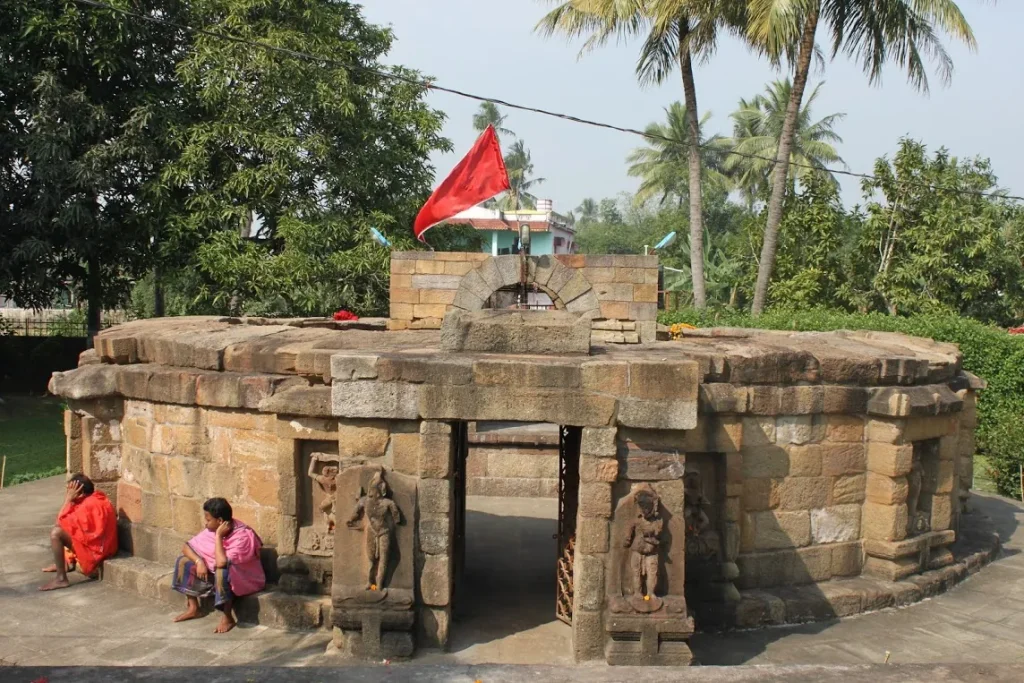
The yogini temple at Hirapur, known as the Mahamaya Temple, is a small circular shrine near Bhubaneswar whose sixty-four yogini images open a window into one of India’s most secretive cults.
At Pillayarpatti in Sivaganga district, the Karpaka Vinayakar Temple is one of South India’s most remarkable rock-cut shrines to Ganesha, whose image is carved directly into the natural rock.
Chidambaram, also known as Thillai, is revered by Śaivas simply as “the Temple”. Here Śiva is worshipped as Nataraja, the Lord of the cosmic dance, in the golden hall of the Chitrambalam.
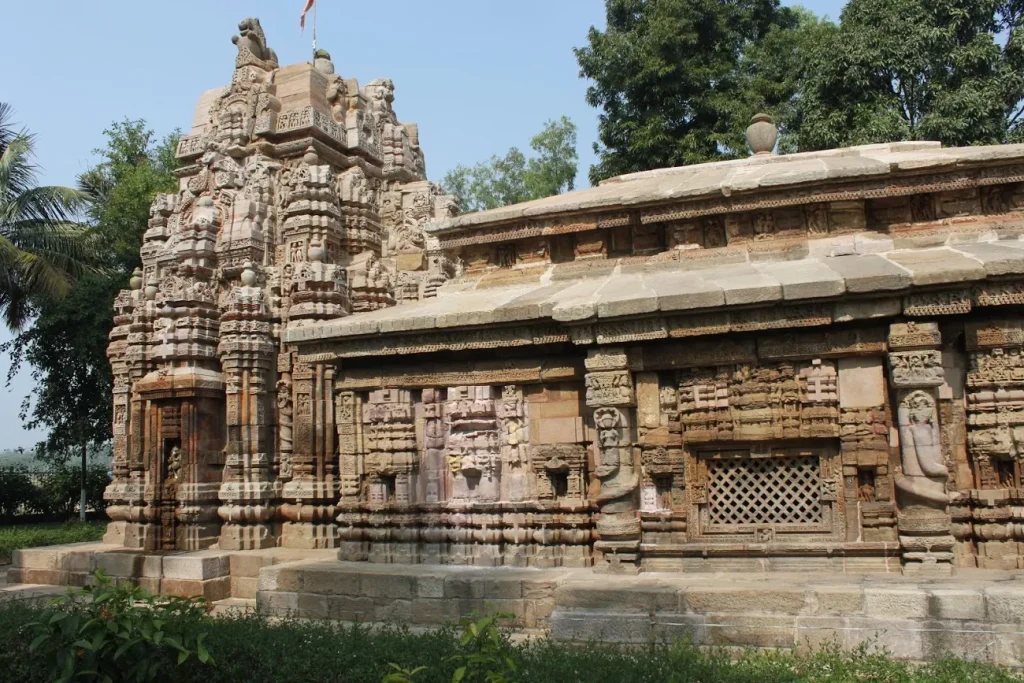
At Chaurasi in the Prachi valley of Odisha stands one of the finest temples to Varahi, the boar-faced goddess of the Sapta-matrikas, built in an unusual form suited to tantric worship.
In the small village of Panangudi near the Sittanavasal caves, the Agastyesvara Temple is a compact Shiva shrine of the ninth century, protected by the Archaeological Survey of India.
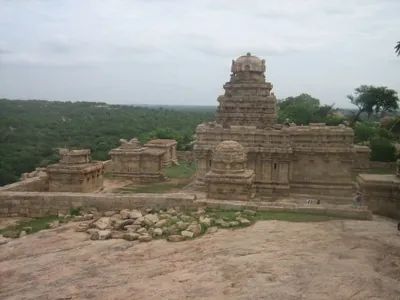
Narthamalai, a cluster of nine hills in Pudukkottai district, holds rock-cut cave temples and the celebrated Vijayalaya Choleeshvaram, one of the earliest stone temples of the Chola period.
Kodumbalur, an ancient village in Pudukkottai district, was the seat of the Irukkuvel chiefs. Its Moovar Koil, Aivar Koil and Muchukundesvara temples preserve some of the most accomplished early Chola-period architecture and sculpture.
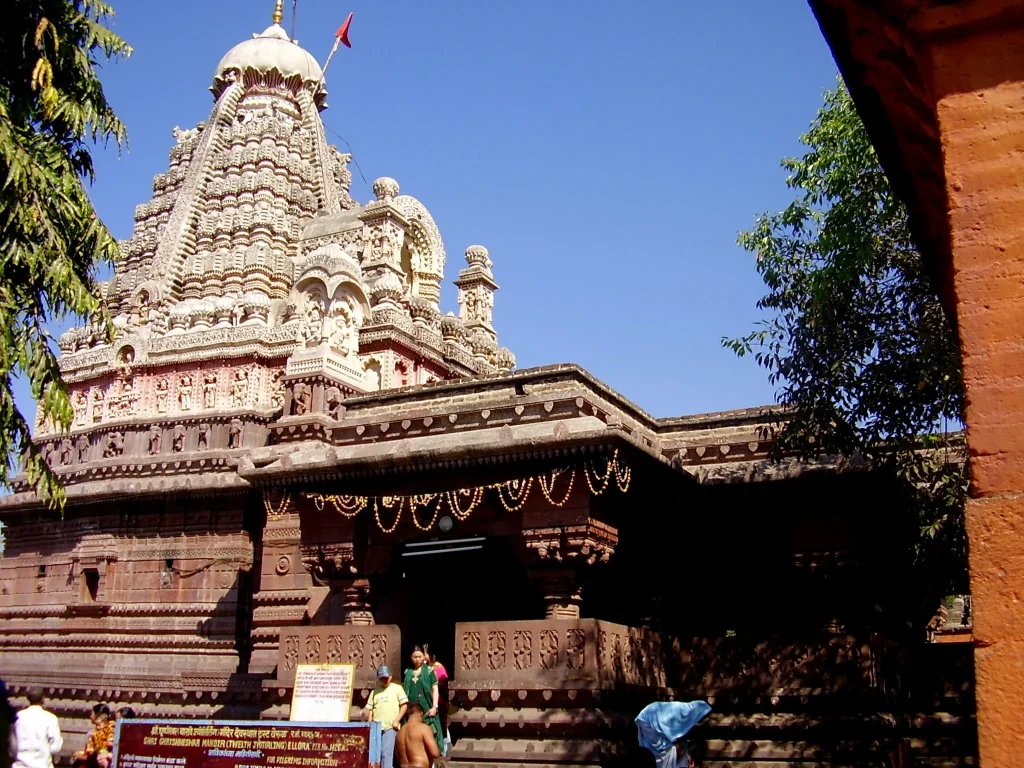
Ghrishneshwar stands at Verul near the Ellora caves and is traditionally revered as the twelfth and concluding Jyotirlinga. Its story is of Ghushma, whose patient worship and forgiveness brought Śiva to remain in her name.