

01 / INTRODUCTION
The Divine Melody:
Thirujnanasambandhar's Ecstasy at Temple
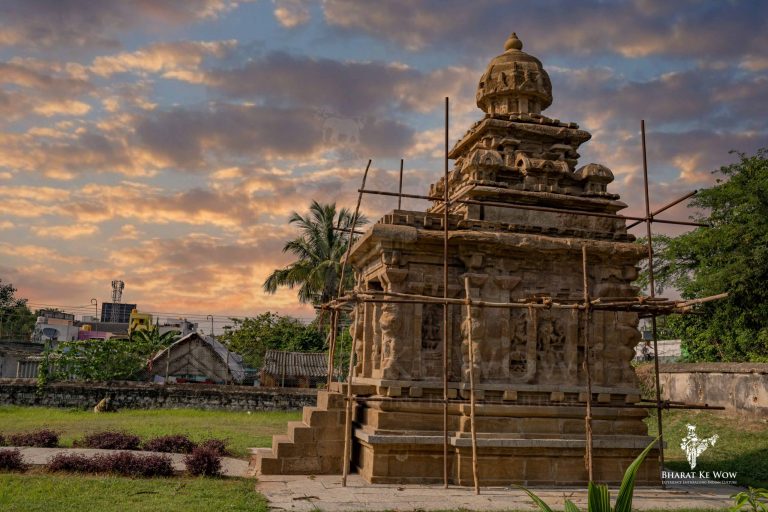
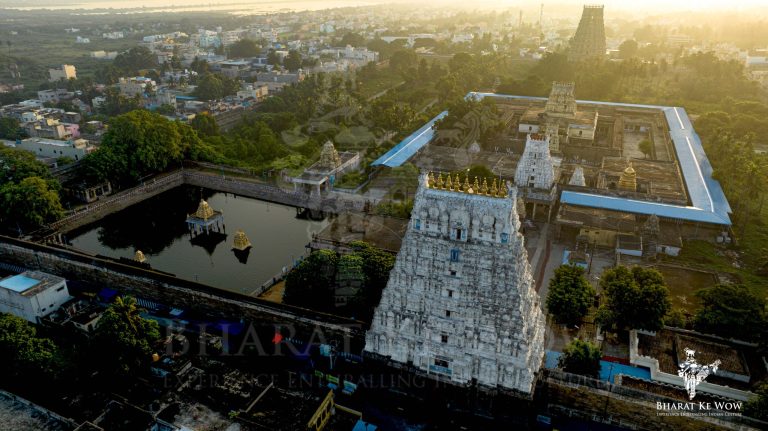
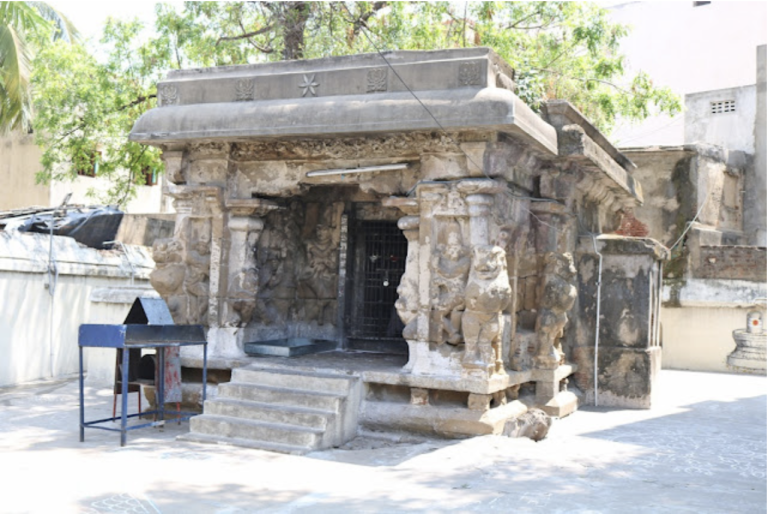
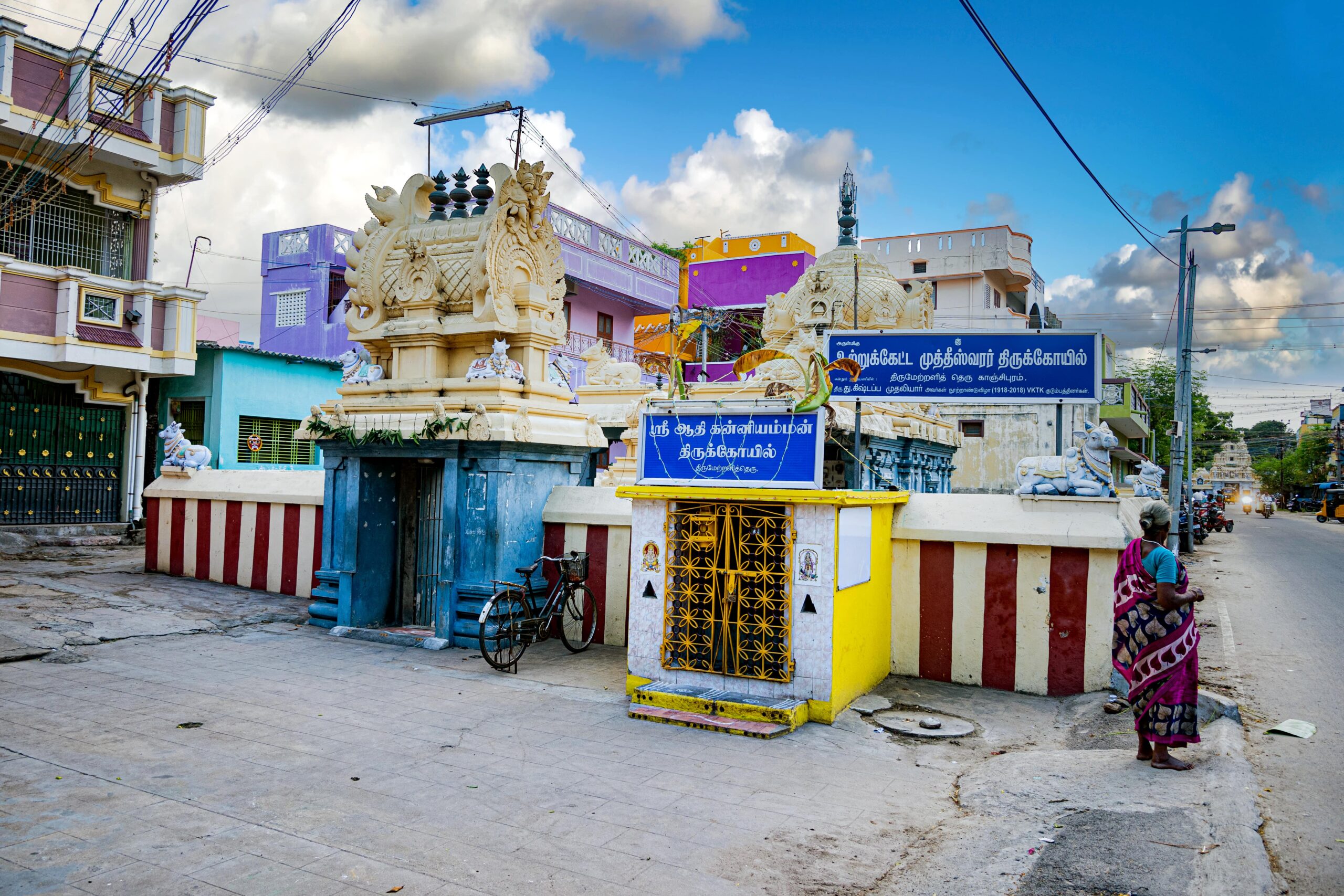
Hidden within the sacred city of Kanchipuram, the Uttru-Ketta-Muktishvarar Temple is a serene Shaiva shrine where Lord Shiva is worshipped as the liberator who frees devotees from bondage. The temple's unique name—'The Standing, Seated, and Lying Forms of the Liberator'—celebrates the omnipresent nature of Lord Shiva's divine grace. With its intimate scale and profound spiritual atmosphere, the shrine offers pilgrims a powerful experience of liberation and divine compassion.
In the heart of Kanchipuram lies the Metralinathar Temple, an ancient shrine that holds within its sacred walls a captivating tale of divine ecstasy. This tale revolves around the revered Tamil poet-saint Thirujnanasambandhar, whose melodious songs resonated through the streets of Kanchipuram, leaving a profound impact on Lord Shiva himself. Join us as we delve into the enchanting story of Thirujnanasambandhar’s divine experience and its lasting significance at the Metralinathar Temple.
02 / THIRUJNANASAMBANDHAR'S ARRIVAL AND ECSTASY
Thirujnanasambandhar's Arrival and Ecstasy
Legend has it that as Thirujnanasambandhar approached the street where the Metralinathar Temple is located, he was immediately overcome with immense ecstasy. Unable to contain his divine inspiration, he burst into a series of ten soul-stirring songs that exalted the greatness of Lord Shiva. Remarkably, the very spot where Thirujnanasambandhar sang became a sacred space dedicated to Lord Shiva, known as Muktishvara Temple.
03 / THE ATTENTIVE LISTENER: UTTRU-KETTA-MUKTISHVARAR
The Attentive Listener: Uttru-Ketta-Muktishvarar
As Thirujnanasambandhar poured forth his devotion through his divine melodies, Lord Shiva himself was enchanted by the child saint’s songs. Overwhelmed with enthusiasm, Lord Shiva attentively listened to every word, completely absorbed in the divine experience. As a result, he came to be known as Uttru-Ketta-Muktishvarar, signifying the deity who listens attentively. Today, this name continues to be associated with the presiding deity of the Metralinathar Temple.Thirujnanasambandhar’s Shrine
To commemorate this extraordinary event, a small shrine dedicated to Thirujnanasambandhar stands at the entrance of the Metralinathar Temple. This shrine serves as a poignant reminder of the divine inspiration that flowed through the saint’s verses, captivating the heart of Lord Shiva himself. It stands as a testament to the profound impact that Thirujnanasambandhar’s devotion and musical prowess had on the spiritual landscape of Kanchipuram.
04 / WHY IT MATTERS
Why this place matters.
The Three Forms of Shiva
The deity embodies Lord Shiva in standing, seated, and lying postures, representing His presence everywhere.
Liberation Through Devotion
Muktishvarar represents the Lord's role as the supreme liberator who grants moksha to sincere devotees.
Intimate Spirituality
The shrine's serene atmosphere provides a personal connection with the divine.
Timeless Compassion
Devotees seek the blessings of the Lord for freedom from suffering and attainment of eternal peace.
05 / INSIDE THE TEMPLE
What to see inside.
The Sacred Sanctum
Receive the blessings of Lord Uttru-Ketta-Muktishvarar, the omnipresent liberator.
The Three Aspects
Understand the profound symbolism of the deity's three postures representing universal presence.
The Intimate Shrine
Experience the peaceful atmosphere of this serene temple dedicated to liberation.
Spiritual Awakening
Discover how the temple's spiritual energy guides devotees toward enlightenment and freedom.
06 / THROUGH TIME
A history in layers.
- MEDIEVAL PERIOD
Temple established as a Shaiva shrine.
- CENTURIES OF WORSHIP
The temple preserves unbroken devotional traditions.
- PRESENT DAY
Active center of Shaiva worship and spiritual practice.
07 / PLAN YOUR VISIT
Plan your visit.
Timings and visitor details can change. Please confirm locally before you travel.
08 / PHOTOGRAPHS
From the whole to the detail.
Select a photograph to explore it at a larger scale.
09 / LOCATION & MAP
Place the story on the map.
PLACE THIS STORY ON THE MAP
Kanchipuram, Tamil Nadu
Tamil Nadu, India
ABOUT THIS FIELD ENTRY
Rooted in the Bharat Ke Wow archive.
This page is drawn from the Bharat Ke Wow field entry for Uttru-Ketta-Muktishvarar Temple. Sacred narratives are presented as temple tradition.
Read the original entry ↗