

01 / INTRODUCTION
The Lord who graced Parasurama and
Renuka
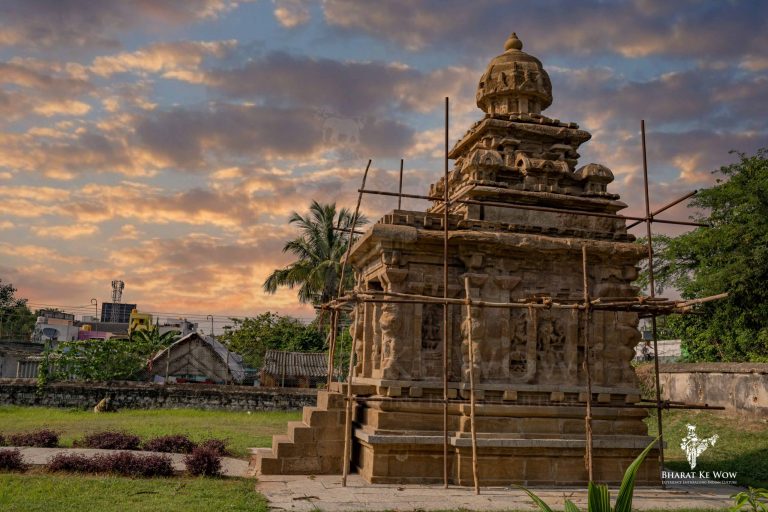
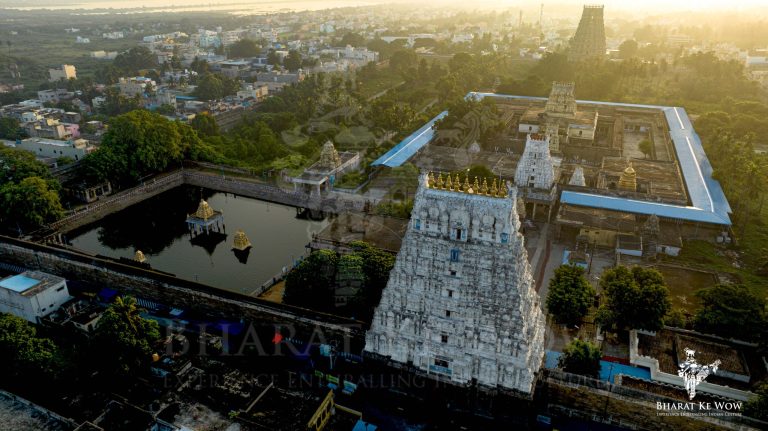
Hidden within the sacred city of Kanchipuram, Sri Kanikanthishvara Temple preserves the moving legend of Lord Parashurama and his mother Renuka. According to temple tradition, Parashurama worshipped Lord Shiva here after restoring his mother to life, seeking absolution from the sin of matricide. With its early Pallava architectural features and enduring spiritual traditions, the temple stands as a timeless symbol of repentance, forgiveness, and divine grace.
The Kanikanthishvara Temple, a hidden gem steeped in history and spirituality. This ancient temple showcases the Pallava construction style and holds a captivating legend that brings to life the devotion of Lord Parashurama and his mother Renuka. Join us as we explore the mystical aura of this temple, the divine deities it houses, and the auspicious occasion of Akshaya Tritiya associated with its worship.
02 / THE LEGEND OF LORD PARASHURAMA AND RENUKA
The Legend of Lord Parashurama and Renuka
Kanikanthishvara Temple holds a profound connection to Lord Parashurama, the sixth avatar of Lord Vishnu, and his mother, Renuka. According to the legend, at the request of Rishi Jamadagni, Lord Parashurama beheaded his mother, Renuka. Realizing the gravity of the act, Lord Parashurama sought to restore his mother’s life and cleanse himself of the sin of matricide.
03 / JOURNEY TO KANCHIPURAM
Journey to Kanchipuram
Lord Parashurama and Renuka embarked on a sacred journey to Kanchipuram, the holiest of cities, seeking redemption and solace. It was here, amidst the divine energy, that they consecrated a Shivalinga. This auspicious linga came to be known as Kanikanthishvara, symbolizing the Lord of Renuka, whose presence remained till the neck (Kantha – head).
04 / THE DEITIES AND SPIRITUAL SIGNIFICANCE
The Deities and Spiritual Significance
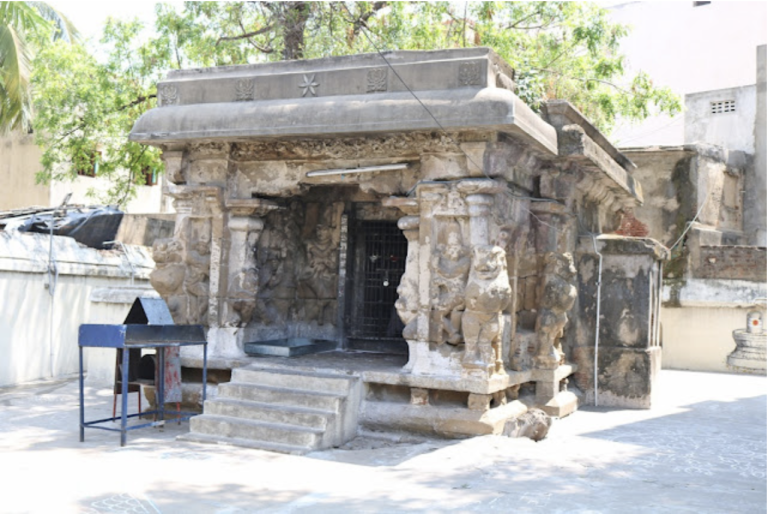
Within the Kanikanthishvara Temple, visitors can witness a collection of deities commonly found in Koshta Vigrahas. The temple houses Vinayaka, Durga, Dakshinamurti, and Vishnu, creating a divine ambiance for devotees. The sanctity of the temple is enhanced by the belief that worshipping Kanikanthishvara on Akshaya Tritiya, which coincides with Lord Parashurama’s birthday, can bestow blessings of freedom from karmic influences, a healthy life, peace, and prosperity.
05 / THE CULTURAL HERITAGE AND SPIRITUAL EXPERIENCE
The Cultural Heritage and Spiritual Experience
Kanikanthishvara Temple stands as a testament to the rich cultural heritage of Kanchipuram and the ancient Pallava construction style. The intricate architecture and serene atmosphere transport visitors to a bygone era, inviting them to immerse themselves in divine devotion and spirituality. The temple’s serene ambiance and association with the legend of Lord Parashurama and Renuka create a profound spiritual experience for devotees.
The Kanikanthishvara Temple, hidden amidst the ancient city of Kanchipuram, unveils a glorious legend and offers a sacred haven for devotees seeking solace and blessings. With its unique deities, Pallava architectural style, and the significance of worshiping on Akshaya Tritiya, this temple serves as a symbol of divine grace and redemption. As you explore the mystical aura of Kanikanthishvara Temple, may you find spiritual fulfillment and experience the blessings of freedom, health, peace, and prosperity.
06 / WHY IT MATTERS
Why this place matters.
Temple of Redemption
According to temple tradition, Lord Parashurama came to Kanchipuram after restoring his mother Renuka to life, seeking freedom from the sin of matricide. His sincere worship of Lord Shiva transformed this shrine into a sacred place of forgiveness and spiritual renewal.
Sacred Journey of Renuka
The temple commemorates the divine journey undertaken by Parashurama and his mother Renuka to Kanchipuram. The consecration of the Shivalinga here symbolizes the triumph of compassion, repentance, and divine mercy over human suffering.
Pallava Heritage
Kanikanthishvara Temple preserves the simplicity and elegance of early Pallava architecture. Though modest in scale, it reflects the artistic traditions that helped establish Kanchipuram as one of South India's greatest temple cities.
Blessings Beyond Karma
Devotees believe that worship at Kanikanthishvara Temple, especially on Akshaya Tritiya, grants relief from accumulated karmic burdens while bestowing health, peace, prosperity, and spiritual well-being.
07 / INSIDE THE TEMPLE
What to see inside.
The Sanctum of Kanikanthishvara
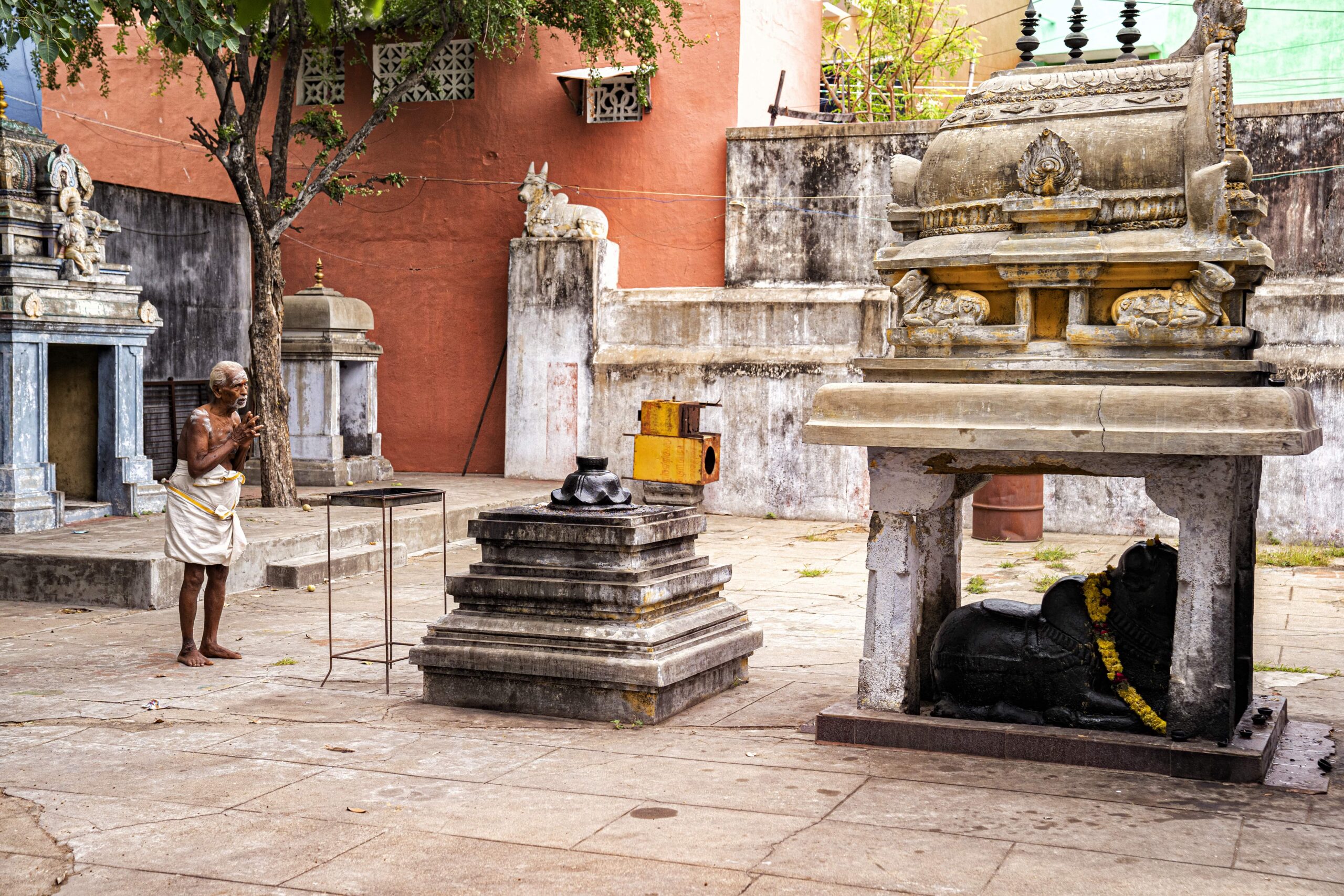
Offer prayers before Lord Shiva, worshipped as the compassionate Lord who granted redemption to Lord Parashurama.
The Legend of Parashurama
Discover one of the most profound stories in Hindu tradition, where repentance, devotion, and divine grace transformed a burden of karma into spiritual liberation.
Pallava Temple Architecture
Observe the graceful proportions and understated elegance characteristic of early Pallava craftsmanship.
Sacred Koshta Deities
Explore the beautifully arranged niches housing Vinayaka, Dakshinamurti, Vishnu, and Durga, reflecting the temple's complete Shaiva iconographic tradition.
08 / THROUGH TIME
A history in layers.
- MYTHOLOGICAL ERA
Lord Parashurama restores his mother Renuka and seeks redemption through the worship of Lord Shiva.
- MYTHOLOGICAL ERA
The sacred Shivalinga is consecrated and becomes known as Kanikanthishvara.
- EARLY MEDIEVAL PERIOD
Temple established during the Pallava era.
- CHOLA PERIOD
Renovations and continued patronage.
- PRESENT DAY
Active place of worship, especially revered during Akshaya Tritiya.
09 / PLAN YOUR VISIT
Plan your visit.
Timings and visitor details can change. Please confirm locally before you travel.
10 / PHOTOGRAPHS
From the whole to the detail.
Select a photograph to explore it at a larger scale.
11 / LOCATION & MAP
Place the story on the map.
PLACE THIS STORY ON THE MAP
Kanchipuram, Tamil Nadu
Tamil Nadu, India
ABOUT THIS FIELD ENTRY
Rooted in the Bharat Ke Wow archive.
This page is drawn from the Bharat Ke Wow field entry for Kanikanthishvara Temple. Sacred narratives are presented as temple tradition.
Read the original entry ↗