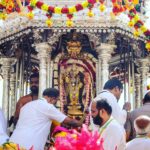

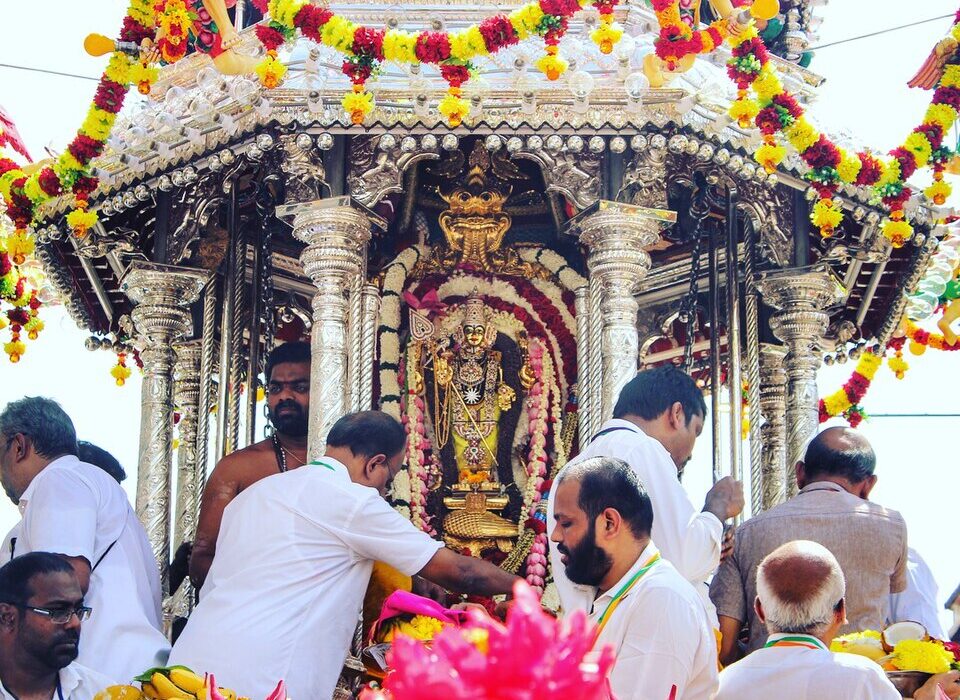
Thai Pusam is a sacred Hindu festival observed in the Tamil month of Thai, on the day when the star Puṣya (Pusam) coincides with the full moon (Pūrṇimā). This highly auspicious day is revered in Śaiva and Murugan traditions and is associated with profound cosmic, devotional, and spiritual symbolism.
According to ancient belief, creation itself manifested on Thai Pusam. On this divine day, Lord Śiva and His consort Umā Devī blessed the sages Vyāghrapāda and Patañjali with the vision of His Ānanda Tāṇḍava—the eternal Dance of Bliss—at Chidambaram, the sacred center of consciousness (Cit-ambaram).
The Dance of Bliss (Ānanda Tāṇḍava) at Chidambaram
At Chidambaram, Lord Śiva as Naṭarāja performs the Ānanda Tāṇḍava, symbolizing Pancakrtyas- he five-fold acts of creation (sṛṣṭi), preservation (sthiti), dissolution (saṃhāra), concealment (tirodhāna), and grace (anugraha). As Umā Devī, along with sages Vyāghrapāda and Patañjali, behold this divine dance, Chidambaram becomes the eternal spiritual axis of the cosmos.
The sacred Naṭarāja Temple and Śivakāmī Amman Temple, where this cosmic event was witnessed, draws devotees from across the world.
King Hiraṇyavarman and His Devotion to Lord Naṭarāja
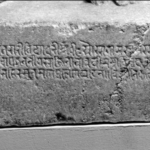
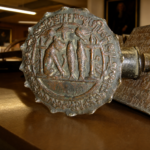
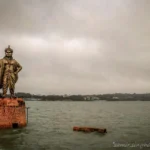
King Hiraṇyavarman, a great patron of the Tillai Moovayiram Dikṣitars of Chidambaram, played an important role in glorifying the temple traditions. He constructed magnificent seven-tiered mansions, a golden sabha, and engaged learned Dikṣitars to conduct grand festivals honoring Lord Naṭarāja.
The saint-poet Aruṇagirināthar, in his Tiruppukazh hymn beginning “Tattu māmalar muḍiyālē”, praises Lord Murugan enshrined near the western gateway of the colossal Chidambaram temple tower, which he likens to Mount Meru itself.
Renunciation, Coronation, and Royal Grace
Overcome by an intense longing to behold the Dance of Bliss, King Hiraṇyavarman renounced his Gauḍa kingdom and crowned his brother as ruler. When sage Vyāghrapāda learned of this supreme act of devotion, he crowned Hiraṇyavarman as a king and bestowed upon him the royal flag bearing the emblem of a leaping tiger.
Saint Aruṇagirināthar refers to this episode in his Tiruppukazh “Avaguṇa virahanai” [https://kaumaram.com/thiru/nnt0470_u.html#yt], praising Hiraṇyavarman as a celebrated and righteous ruler.
Thus, Hiraṇyavarman, the son of the fifth Manu of the Sūrya-vaṃśa (solar dynasty), was divinely blessed to witness Lord Śiva’s Dance of Bliss along with sages Vyāghrapāda and Patañjali on the sacred day of Thai Pusam.
Aruṇagirināthar perceived no distinction between Lord Naṭarāja and Lord Murugan—he saw Murugan in Naṭarāja and Naṭarāja in Murugan. Through this vision, devotees too are blessed to glorify the Lord of Chidambaram.
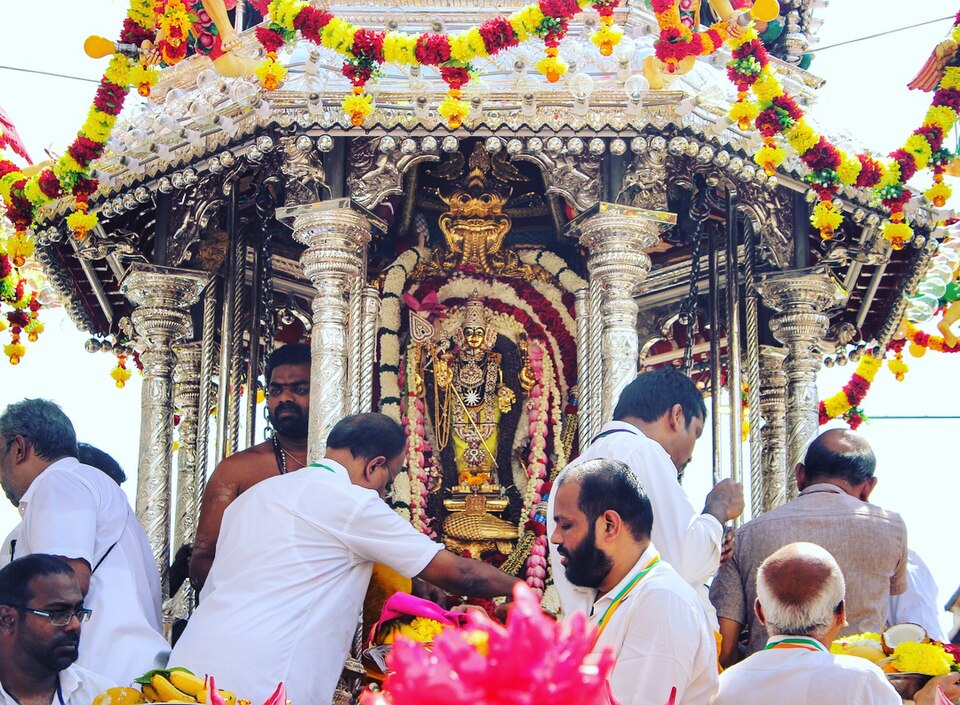
Obliteration of Tārakāsura: The Spiritual Meaning of Thai Pūṣam
Thai Pusam is celebrated with great grandeur in Murugan temples worldwide. According to legend, it was on this sacred day that Lord Murugan annihilated the demon Tārakāsura, who tormented the Devas.
To fulfill this divine mission, Lord Murugan received eleven celestial weapons from Lord Śiva (who assumed the form of eleven Rudras each transforming into a divine weapon) and the powerful Vel (Śakti-spear) from His mother Pārvatī. Saint Aruṇagirināthar vividly describes this event in his Tiruppukazh hymn beginning “Tārakāsuran sarindu” [https://www.kaumaram.com/thiru/nnt0735_u.html].
Inner Transformation and the Victory of the Vel
On a deeper spiritual level, Tārakāsura symbolizes the demonic instincts—desire, anger, ego, and ignorance—that arise within the human mind. These tendencies entrap individuals in a chain of sinful actions.
The annihilation of Tārakāsura represents the eradication of inner impurities. Worship of Lord Murugan, wielding His sharp and compassionate Vel, enables devotees to overcome ignorance and ego, guiding them toward purity, wisdom, and liberation (mokṣa).
Read More: Mahanavami Celebrations in Vijayanagara